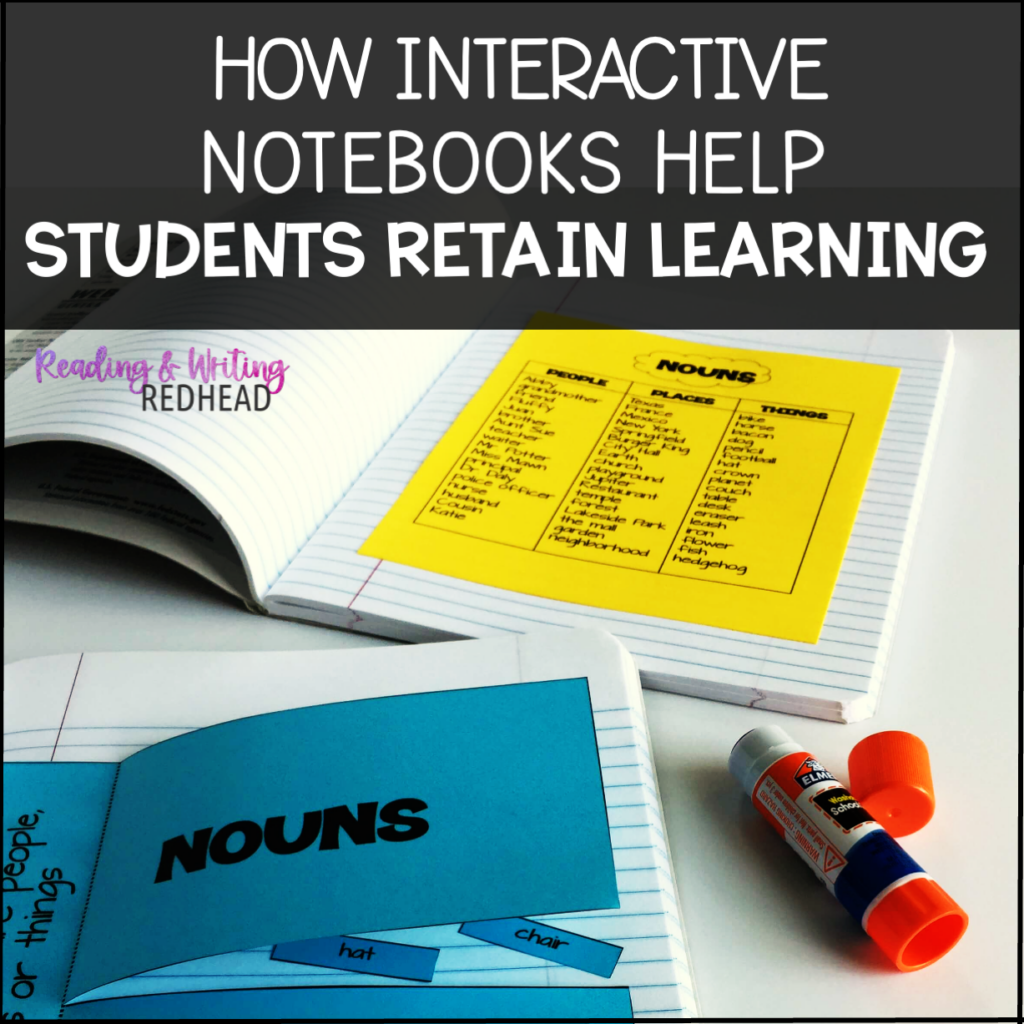
How Interactive Notebooks Help Students Retain Learning
Have you ever looked at a stack of student writing, spotted the exact same punctuation error you taught yesterday, and wondered if anything is actually sticking in their brains?
We have all been there, staring at a sea of student work and wishing for a magic button that helps concepts and skills click (and stick). Honestly, that exact frustration is why we need to talk about bringing back the power of physical, hands-on learning tools.
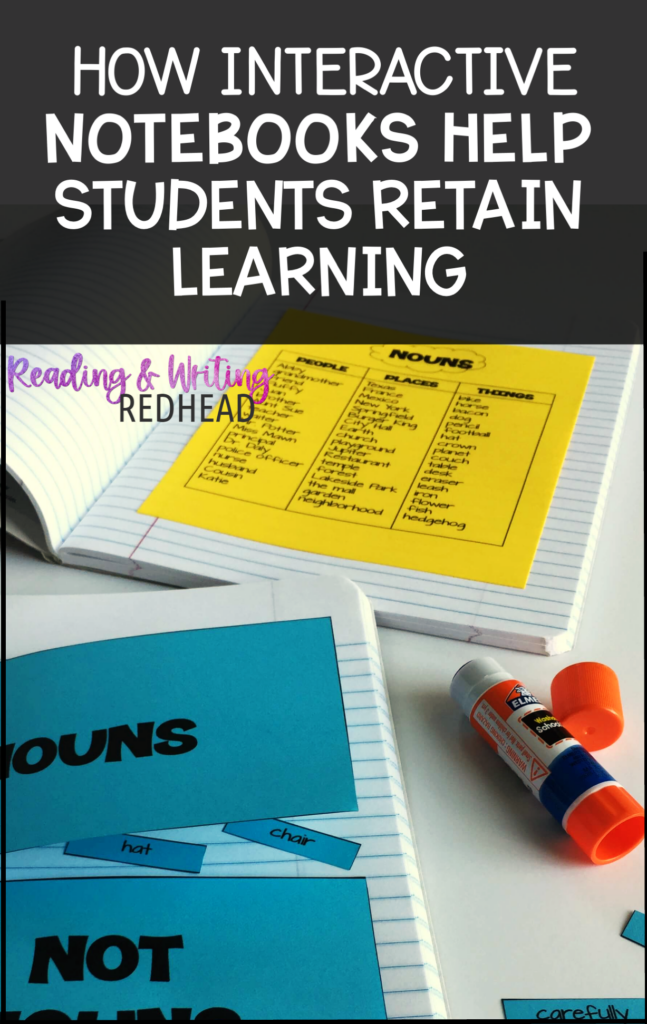
When kids are actively folding, cutting, and building their own learning pieces into interactive notebooks, something amazing happens to their long-term memory. Grab your coffee and let’s dive into how interactive notebooks can completely transform student retention without adding a million hours to your prep time.
Why Tactile Learning Actually Sticks in the Brain
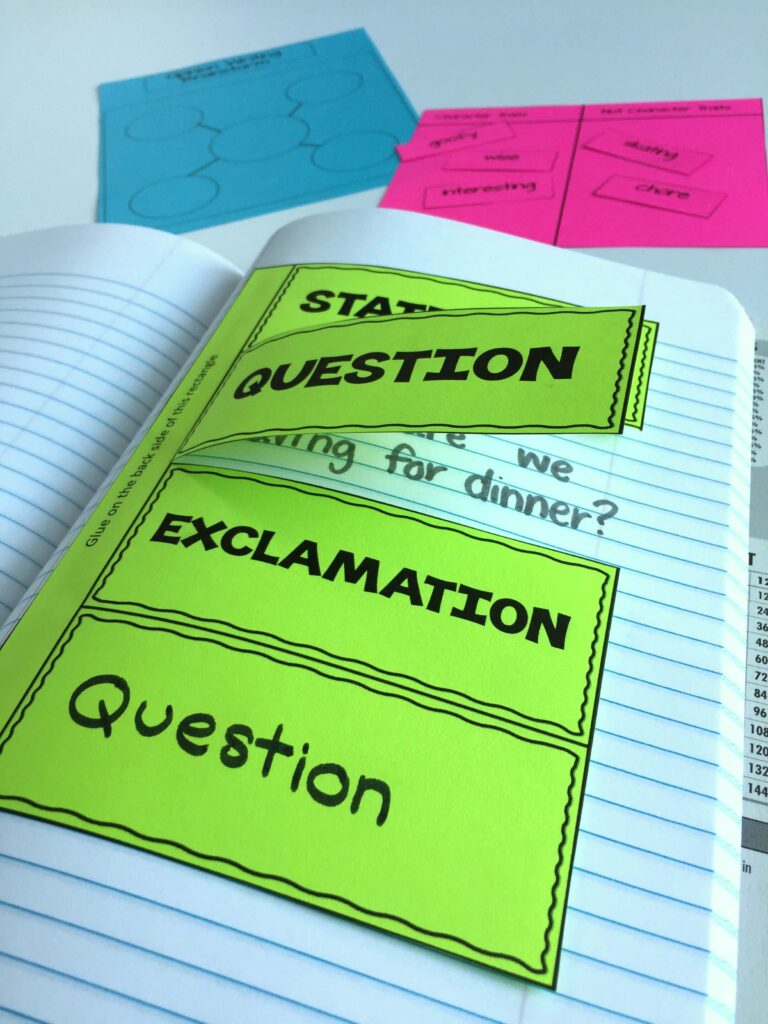
When students physically manipulate pieces – folding flip-flaps, sliding tabs, or piecing together accordion books-they engage multiple senses. This creates stronger neural pathways and encodes memory much better than passive listening or pencil and paper worksheets.
Turning Notebooks into a Personal Reference Library
Interactive notebooks are not just an activity log, but a growing, personal reference textbook that students build themselves. Because it stays with them all year, they can actively flip back to review past concepts (like capitalization rules or opinion writing structures), which naturally supports moving information to long term memory.
When my second graders used the ELA Interactive Notebook (keep reading for more info on that), we were diligent about numbering pages and keeping a table of contents. That way, they could look back on the section about say, subjects and predicates and remind themselves which is which instead of me just telling them.
Building Student Ownership and Metacognition
When students have to physically put together their own learning tools, it moves them from passive to active owners of their knowledge. This aspect of interactive notebooks helps with the development of metacognition – and they know where to look when they get stuck because they remember making it.
Pro Tips:
The “Table of Contents” Habit:
As I mentioned before, maintaining a table of contents is very helpful when managing student interactive notebooks. A simple, up-to-date table of contents teaches organizational skills while making it easy for students to locate past grammar or writing rules.
Interactive Anchor Charts
Miniature anchor charts inside notebooks bridge the gap between whole-group lessons and independent work.
Low-Stakes Reference Tool:
It’s good for students to know that interactive notebooks are a safe, non-graded drafting and thinking zone where it’s okay to make mistakes and revise thinking. As the teacher, you can certainly use it for formative assessment, however. I found it was a great thing to have on hand for parent conferences because it was filled with work samples.
Keep reading for more tips!
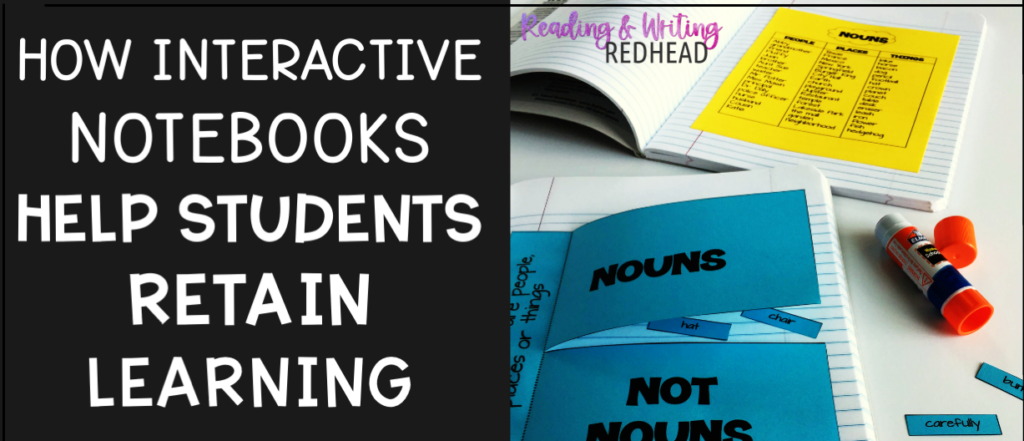
Making Grammar and Writing Stick Without the Prep Stress
Having pre-made templates for topics like opinion writing, capitals, and periods takes the heavy lifting off your shoulders. You’re busy enough, right?
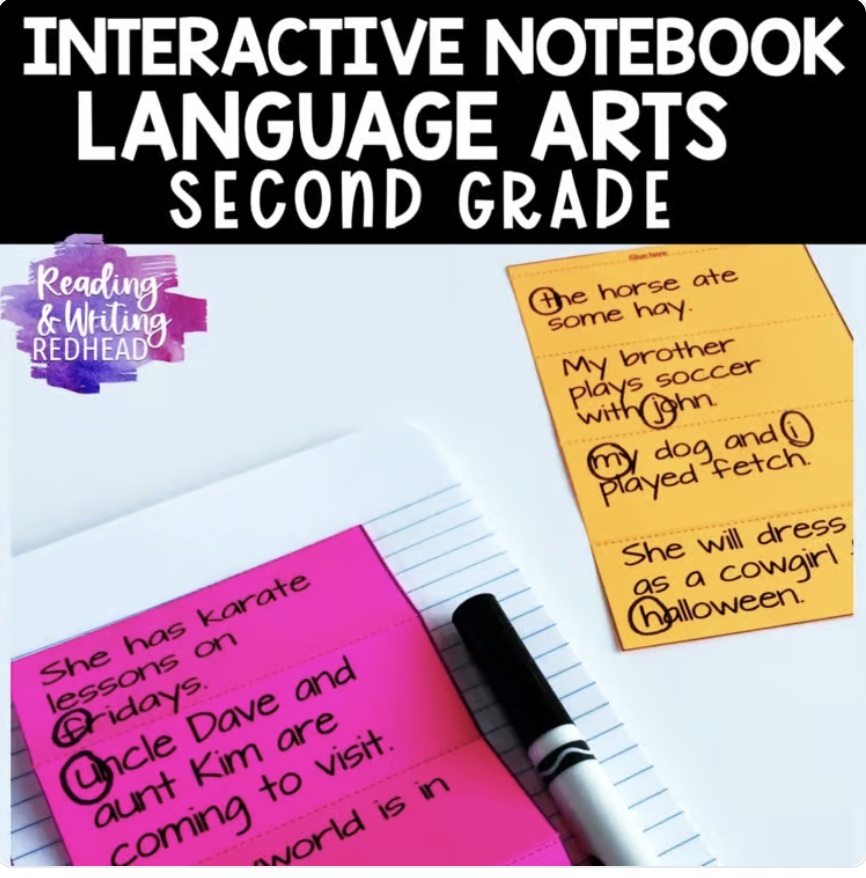
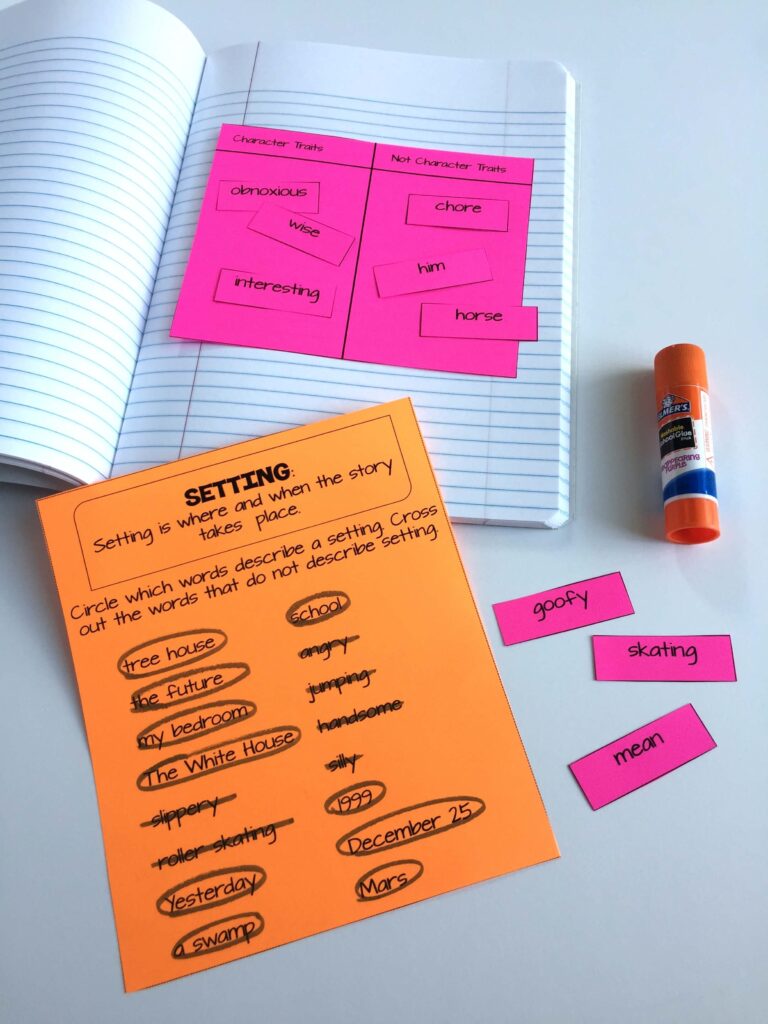
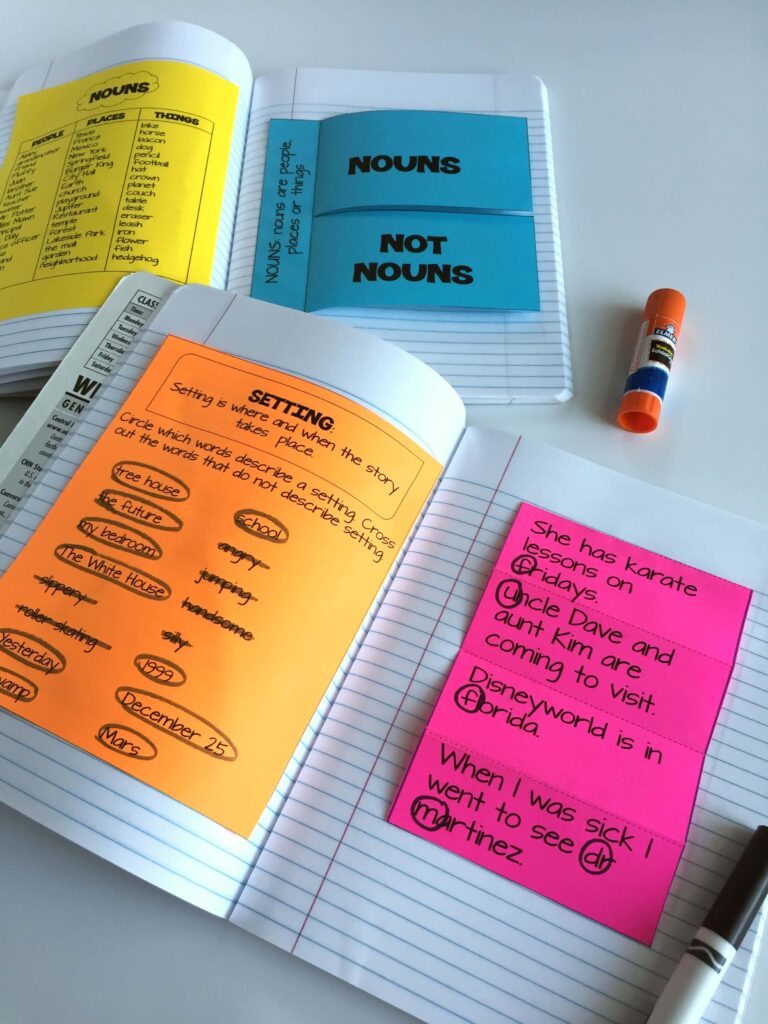
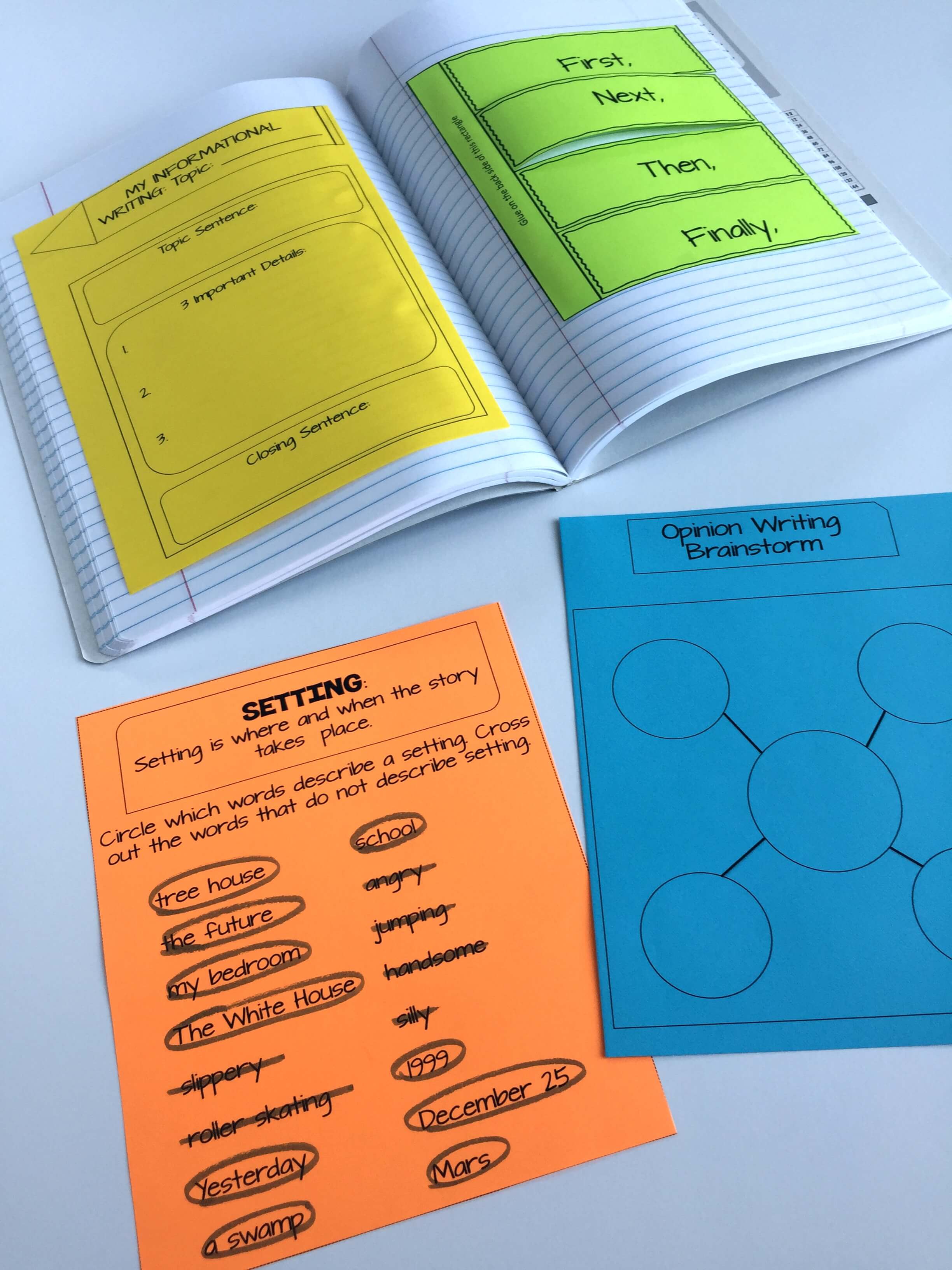
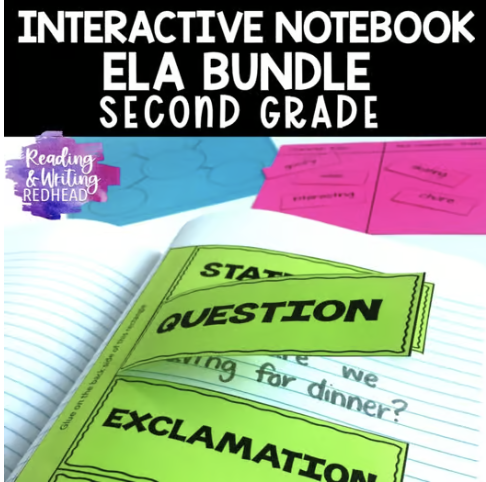
If you’re hoping to skip searching for and prepping interactive notebook template designs, but you still want the retention benefits for your students, then you might really appreciate my 2nd Grade ELA Interactive Notebook resource! I made it to meet the needs of my students and it provides ready-to-go flip books and prompts tailored specifically for second-grade standards.
Click on the cover to take a peek at it over on TPT.
Key Benefits for Teachers
- Zero Prep Overwhelm: Skip the endless hours of formatting and cutting templates. Everything you need for second-grade writing and grammar is ready to print and use.
- Built-In Standards Alignment: Each activity page clearly displays relevant Common Core State Standards, so you always know you are targeting what your kids need to learn.
- Easy Differentiation: Effortlessly pull small groups to your teacher table to work through a notebook page together while the rest of the room works independently.
- A Clear Window into Understanding: Forget grading massive stacks of worksheets. Flipping through these pages gives you an instant look at who gets the concept and who needs a little extra support.
Benefits for Students
- Hands-On Engagement: Cutting, folding, and gluing turn passive listening into an active, high-engagement experience that kids actually look forward to.
- Fine Motor Practice: Sneaks in crucial scissor and manipulation skills that second graders still desperately need.
- A Custom Reference Tool: Instead of lost papers at the bottom of a backpack, students build a neat, personalized resource they can proudly flip back through all year.
- Long-Term Memory Boost: Physically interacting with the material creates stronger neural pathways, helping critical grammar and writing rules genuinely stick.
Here are few peeks at some of the activities included in this resource:
Ready to Help Your Students’ Learning Stick?
If you are ready to ditch the endless worksheet cycle and want a streamlined way to teach opinion writing, capitalization, periods, and grammar, check out the 2nd Grade Interactive Notebook for ELA, Opinion Writing, Capitals, Periods, and Grammar in my TPT store.
Want to take it a step further and cover your bases for the whole year? Consider grabbing the complete Interactive Notebook Bundle for Language Arts, which packages this writing and grammar resource alongside the reading comprehension interactive notebook and spelling interactive notebook for a nice discount!
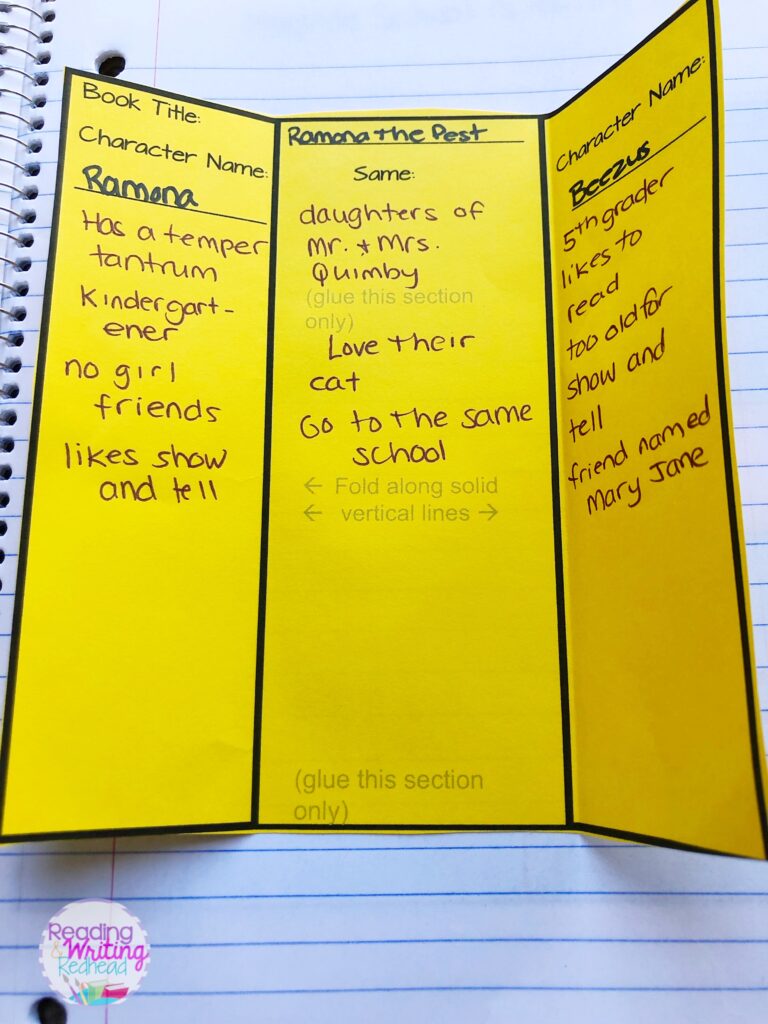
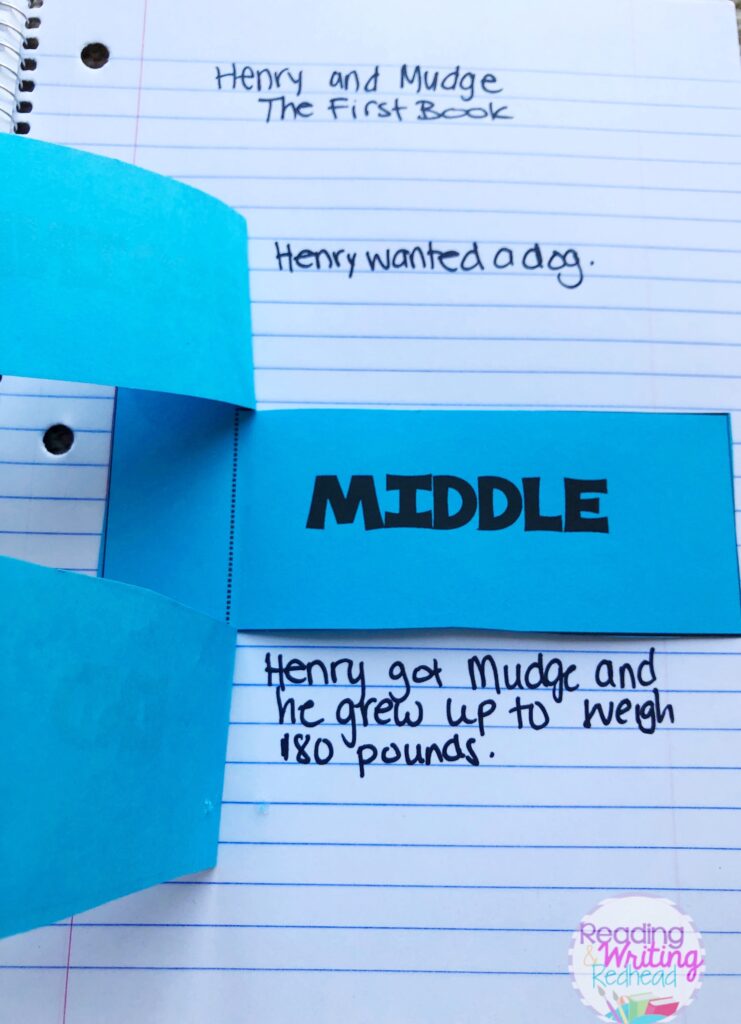
Here are a few peeks at what is also included in the Bundle. These are activities from the Reading Comprehension Interactive Notebook. You can also grab it by itself here.
Other blog posts you may want to check out:
- Closing the Gap: 10 Phonemic Awareness Skills That Lead to Reading Success
- 6 Ways to Use Riddles to Enhance your Teaching
- 7 Reasons Interactive Notebooks are Still Relevant
- Why Students Don’t Catch Their Own Writing Mistakes (And What Helps)
If you want to save this for later, pin this image!