No More Boring Grammar: How to Make Subjects and Predicates “Stick”
Have you ever looked around your classroom during a grammar lesson and felt like you were speaking a completely different language? You are definitely not alone!
Trying to teach first and second graders about subjects and predicates can feel like an uphill battle. But here is the thing: building that solid foundation in sentence structure is so huge as they start moving from simple phrases into writing actual, detailed stories.
The secret to making it finally “stick” is tossing out the memorization and making things active. When our learners can physically act out the “who or what” (the subject) and the “doing part” (the predicate), grammar suddenly clicks for them. Let’s look at a few easy, low-prep ways to make subjects and predicates the favorite part of your day!
Turn Grammar into a Movement Game
Before ever picking up a pencil, focus on subjects and predicates by having students stand up and act out sentences. Give them a “who/what” action prompt (e.g., The fluffy bunny… hopped across the room) and have half the class act out the subject and the other half act out the predicate.
In my mind, I am picturing kids making bunny ears over their own heads, and other kids hopping from one side of the room to another! This physical separation helps concrete learners visualize the two essential parts of a sentence.
Use Silly Sentence Strips for High Engagement
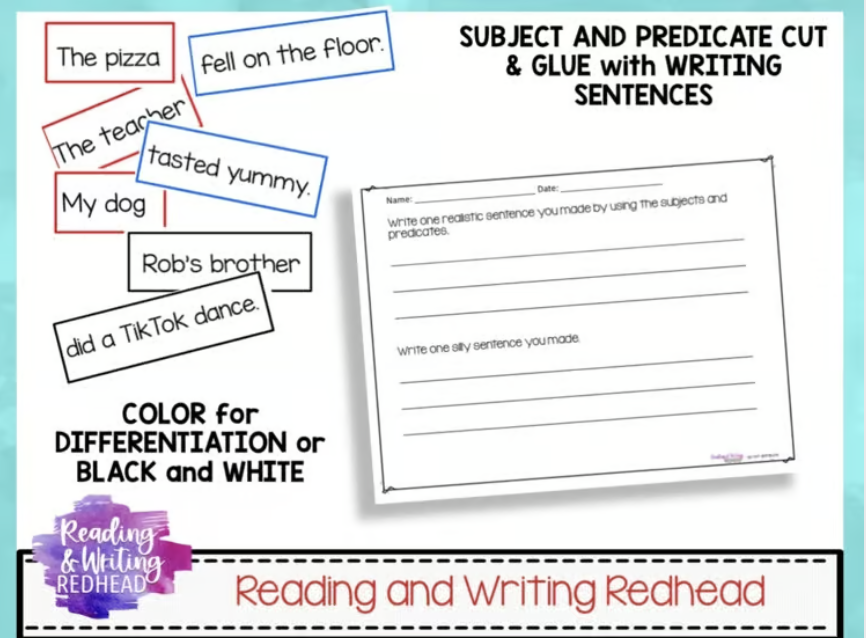
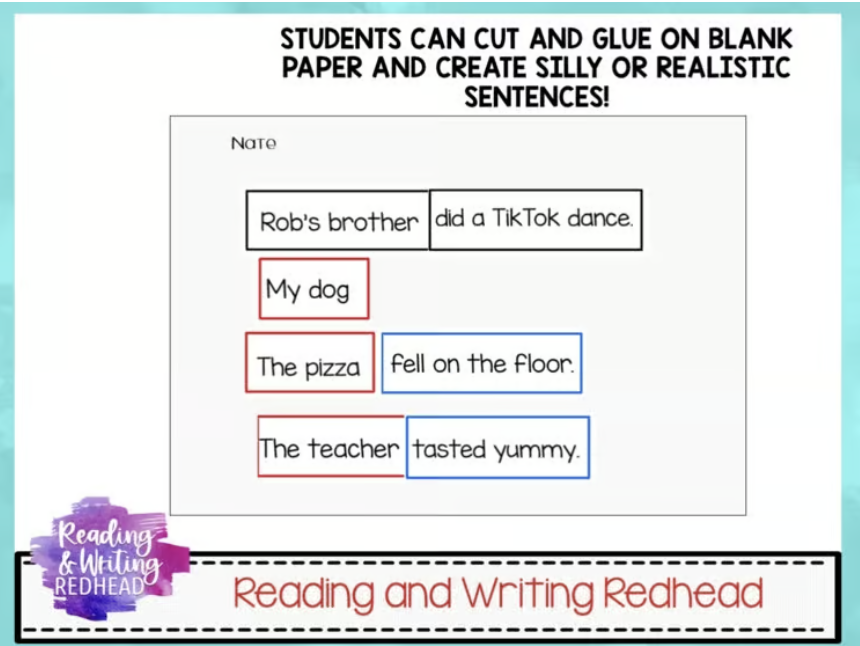
This is one of my favorites and I even have incorporated it into one my TPT resources (see the end of the post for info on that). Kids love funny sentences! Write mismatched subjects and predicates on separate sentence strips (e.g., Subject: A grumpy pirate / Predicate: ate three bowls of stinky cheese). Let students mix and match them in a pocket chart to create absurd sentences. It immediately grabs their attention while reinforcing what makes a complete thought.
You can also try my subject and predicate match up resource from TPT, which does exactly this without you having to think of the sentences! Check out more info at the end of this post.
Introduce Anchor Charts That Grow With Your Students
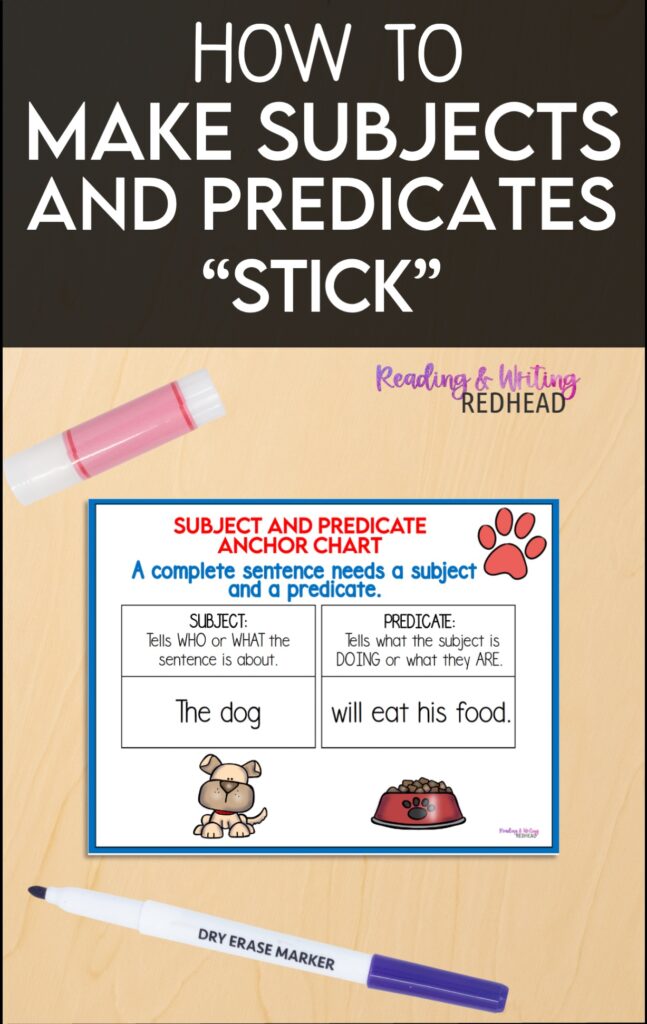
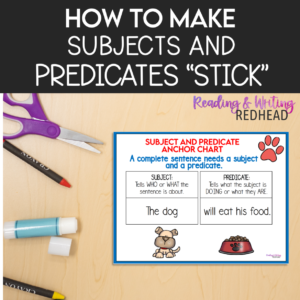
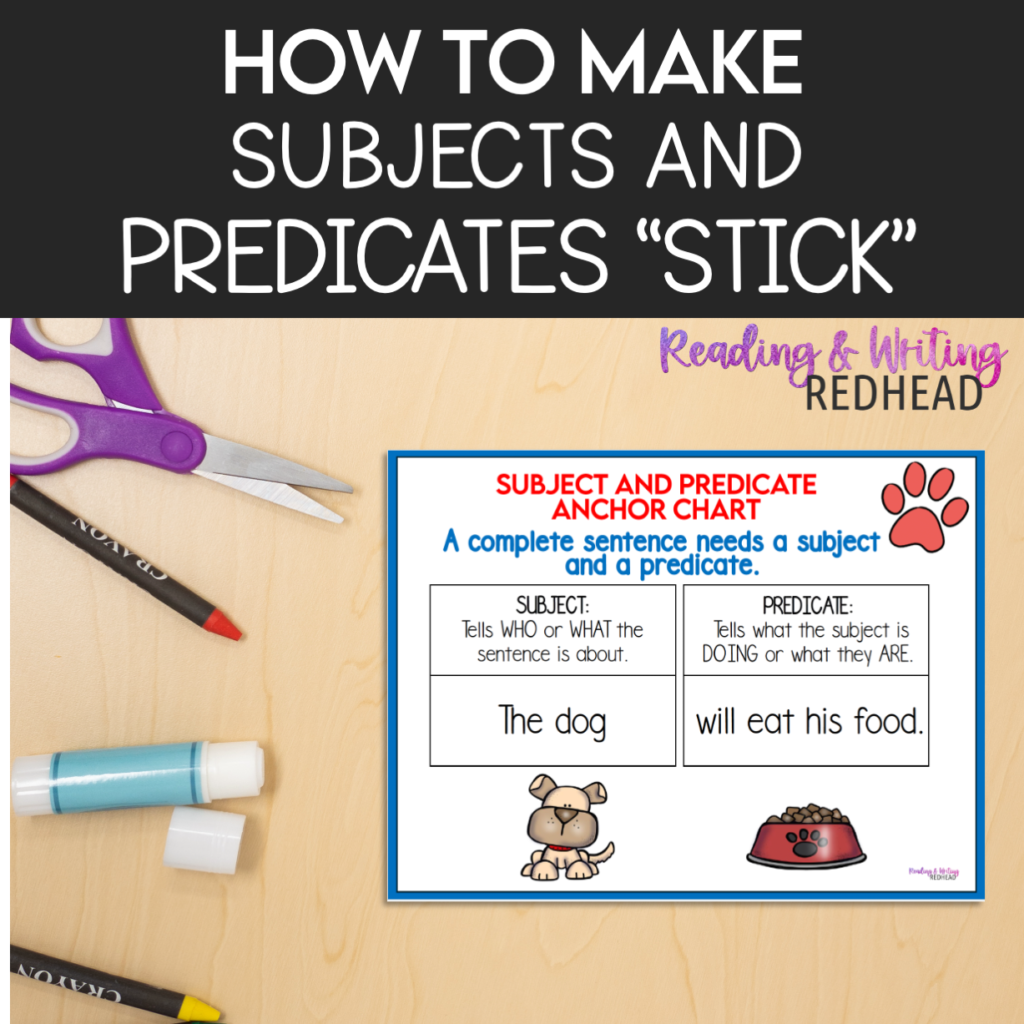
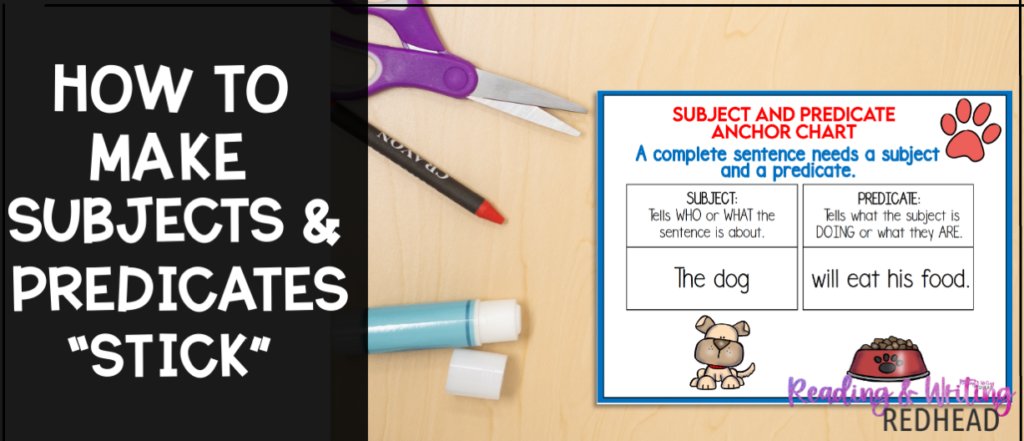
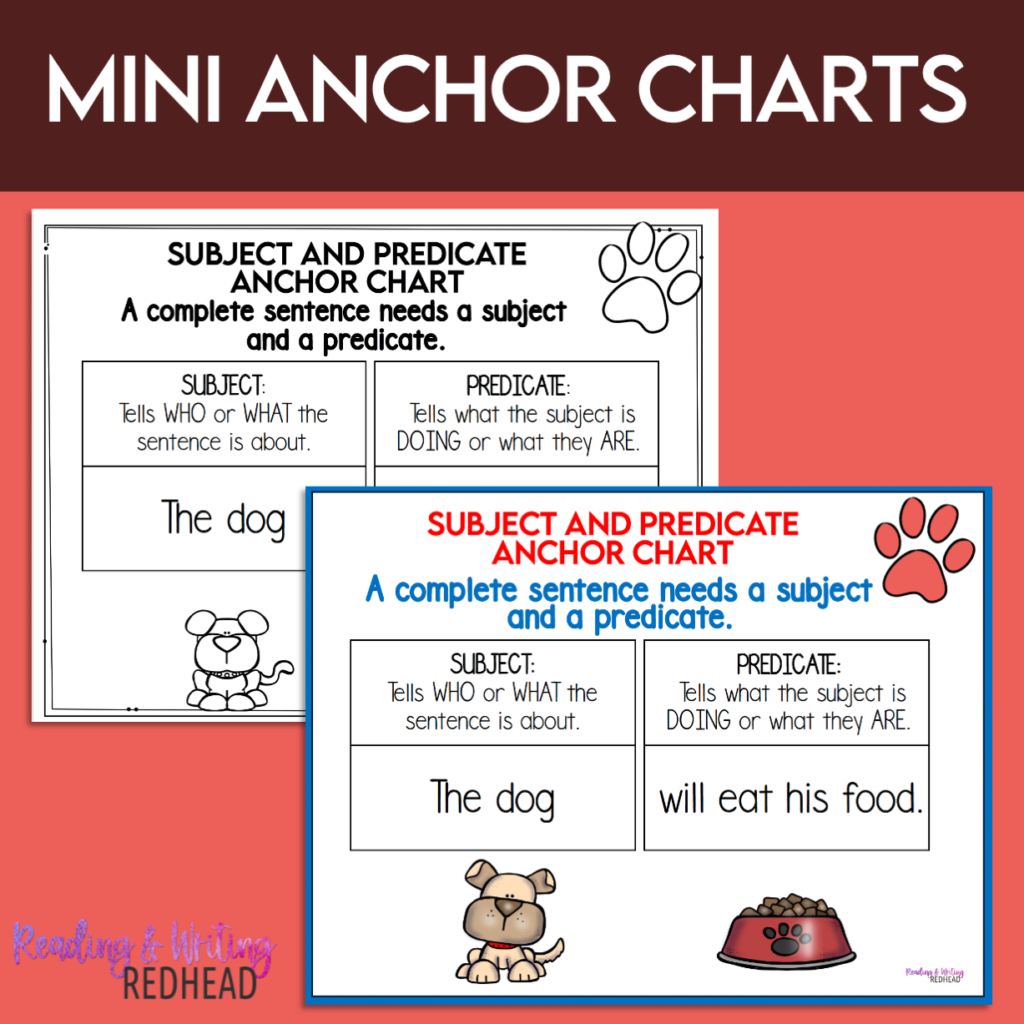
Work together to co-create a visual anchor chart for subjects and predicates during your grammar block. Use two distinct colors—one for the subject (who/what) and one for the predicate (what they are doing).
Keep it displayed as a permanent reference point so students can independently check their own writing against it during writing workshop.
Color-Coded Sentence Dissection
Take simple sentences from mentor texts or morning messages and have students highlight the subject in one color and the predicate in another. This tactile color-coding bridges the gap between whole-group active games and independent worksheet practice.
Keep reading for my last suggestion!
Streamline Practice with Low-Prep Resources
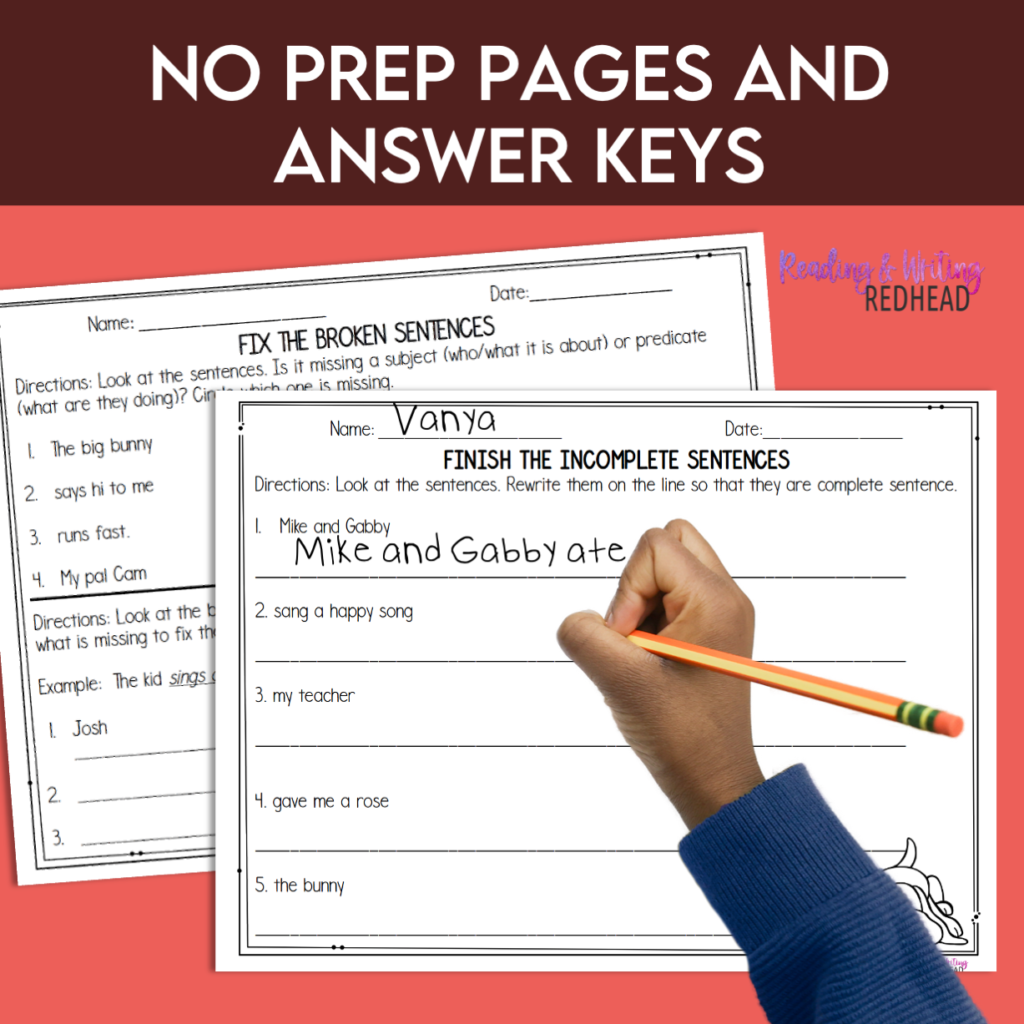
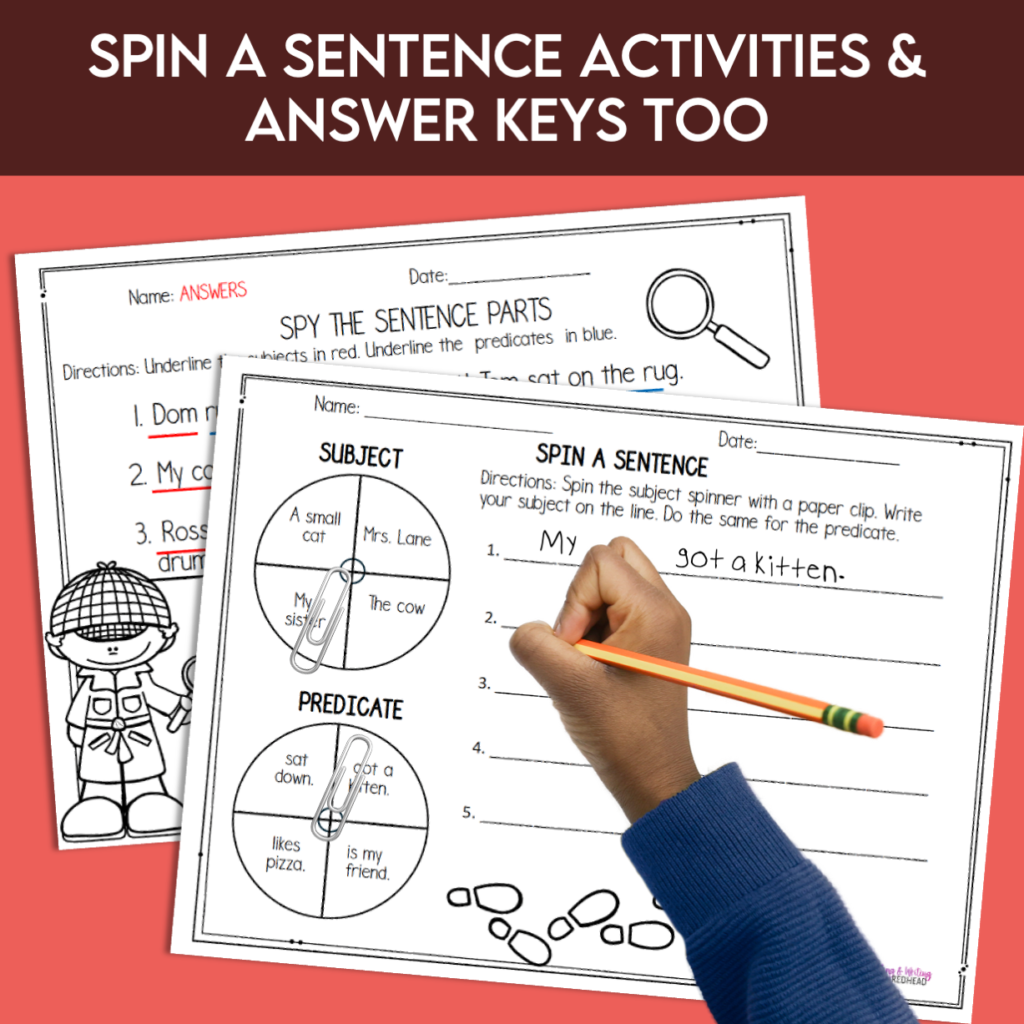
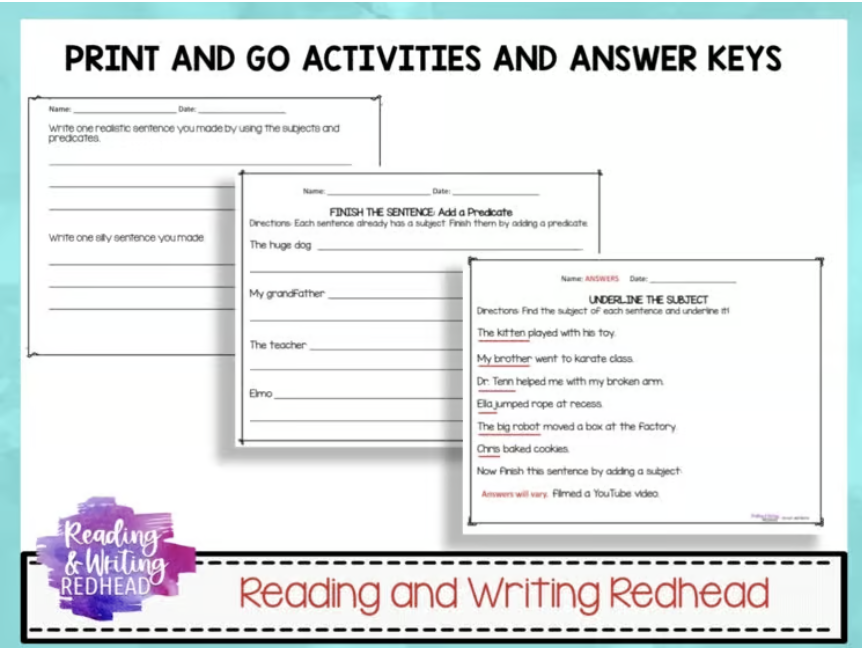
Wrap up your grammar lessons with targeted, student-friendly worksheets and mini anchor charts that that require zero guesswork with subjects and predicates. Providing practice pages – like fixing broken sentences, cracking code puzzles, and interactive activities with paper clip spinners -ensures that students will grasp how a subject and predicate work together to make a complete thought.
Giving your students clear, engaging practice tools means they can transition smoothly from sounding out words to building strong, grammatically correct sentences on their own.
Ready to make grammar your students’ favorite part of the day? Check out the ready-to-use Subject and Predicate Worksheets and Activities or grab the Subject and Predicate Practice and Complete Sentences Set to bring these hands-on routines straight to your first and second-grade classrooms!
Click on any image to see if they are right for you!
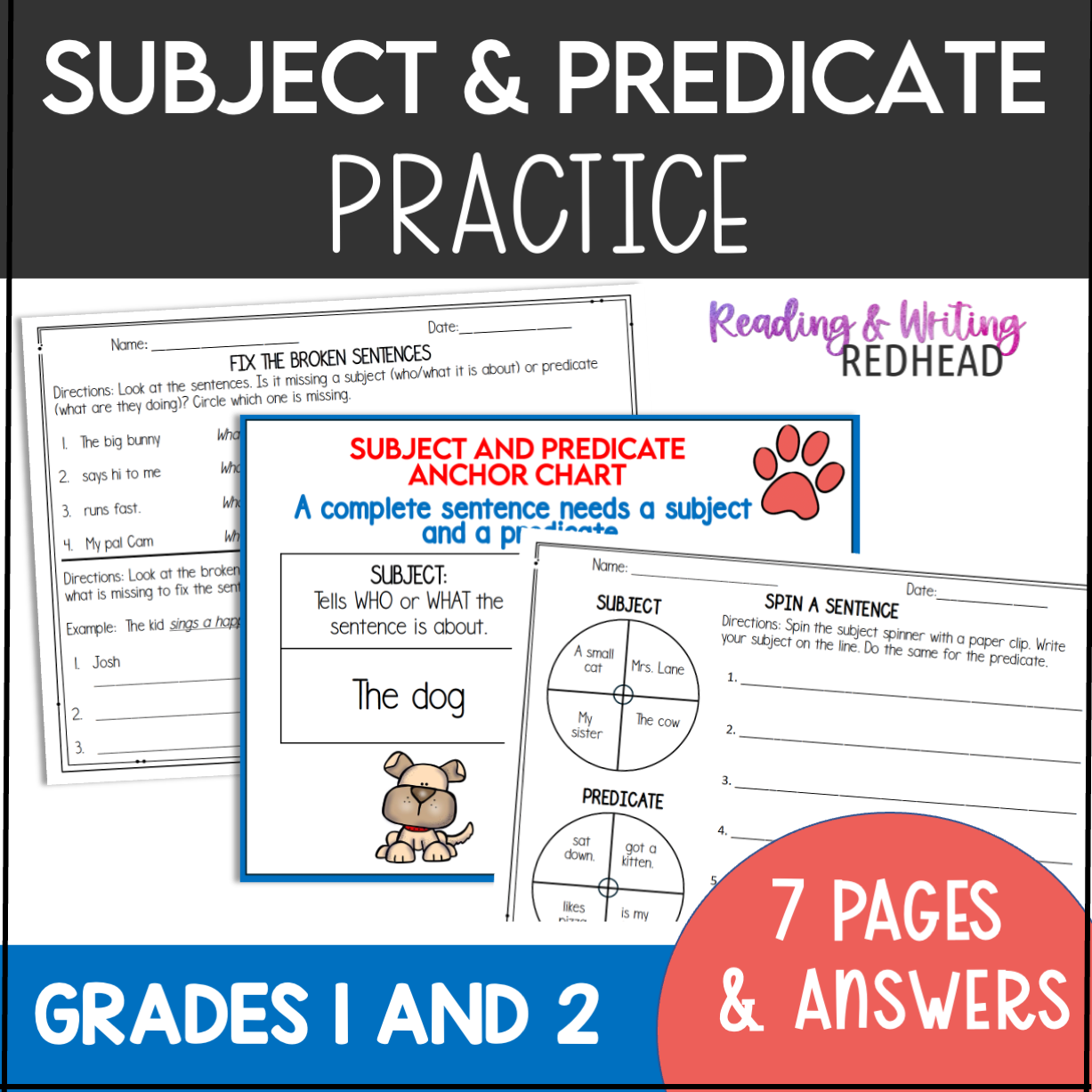
Here are just a few examples of what’s included in my most recent resource for subjects and predicates:
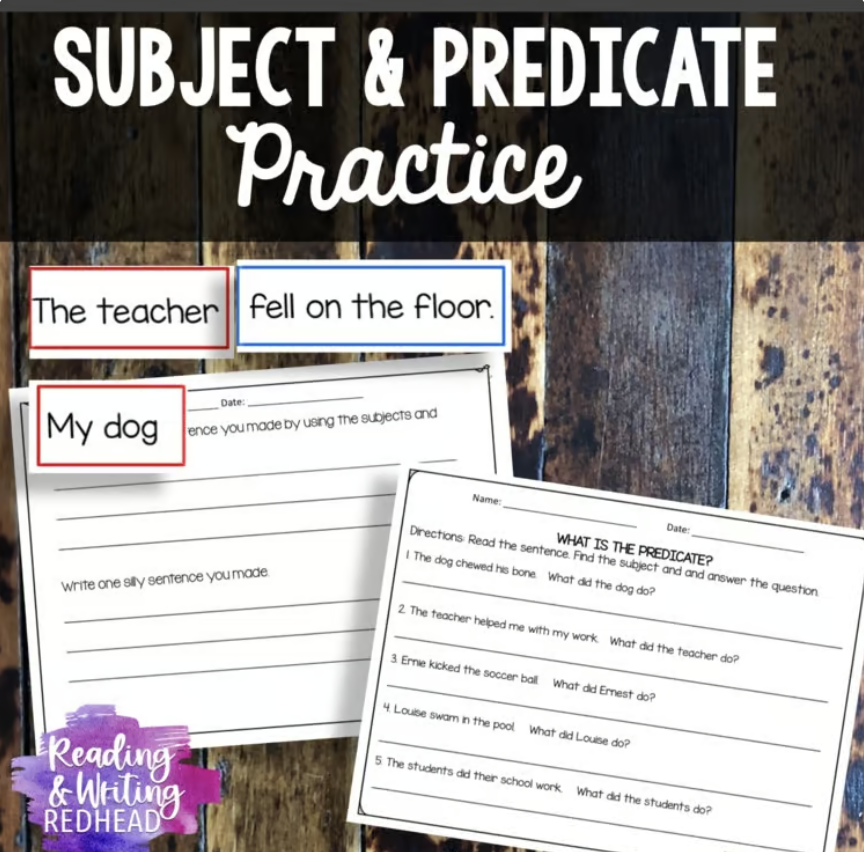
And take a peek at my other subject and predicate – made for you – resource!
5 Star Reviews:
If you’re like me, you always read reviews first, so to help you out, here are a few from the bundle and from some of the individual resources included in the bundle.
“I really like this activity. I work with multiple groups of differing ages and even though its for younger kids my older kids enjoyed it as a quick opening brain exercise. I wish there were more!!”
My students love this game! We read the clues and they are real detectives paying attention to all the details. They love to play it!
“Just wanted to say that the resource was a huge hit! My small groups absolutely loved it and it really helped me meet their needs in teaching this standard. Thanks so much for creating such great materials. I appreciate you thinking about what teachers like me actually need”.
And what are the benefits of using Mystery Word Riddles?
Key Benefits for Teachers
- Built on the Science of Reading: Every riddle task card is designed to strengthen explicit phonics skills. Therefore, your instruction will align with research-backed decoding strategies.
- Ultimate Hero for Small Groups: Perfect for literacy rotations, independent stations, small groups, or pulling targeted intervention groups while the rest of the room stays happily occupied.
- Massive Variety & Zero Planning: With 18 different phonics sets packed into one bundle—ranging from CVC words and digraphs to vowel teams and suffixes – you are set for the whole year without scrambling for materials.
- Flexible Formats: Includes both color and black-and-white options, plus 35 printable worksheets and answer keys, giving you total flexibility for print-and-go practice.
Benefits for Students
Gamified Phonics Practice: Cracking the mystery word riddles turns standard word work into an fun puzzle that keeps kids engaged.
Active Letter-by-Letter Decoding: Forces students to look closely at every single letter and sound pattern rather than guessing based on pictures or context.
Builds Confidence: Self-checking and straightforward formats let your students successfully work through the riddles on their own or with a partner/small group. Working with others will help improve communication skills and students will be practicing working together with peers.
Other blog posts you may want to check out:
- Boost Map Skills Now with 7 Engaging, Hands-on Activities
- 6 Ways to Use Riddles to Enhance your Teaching
- How Interactive Notebooks Help Students Retain Learning
- Get Reluctant Students Writing Now: 10 Writing Prompts that Get Their Pencils Moving
If you want to save this for later, pin this image!