
Tired of seeing the same writing errors pop up again and again? Are you students confused about parts of speech? Wish you had a more effective way to teach core ELA concepts like cause and effect without spending hours on lesson planning?
If you’re ready to simplify your ELA instruction, it’s time to rediscover the power of interactive notebooks (INBs). They’ve been a classroom staple for years because they get students excited about learning, but what many teachers don’t realize is just how much time they can save you.
Let’s find out more and keep reading to grab a freebie!
Why Use an Interactive Notebook (Language Arts)?
Active Engagement: Unlike more passive worksheets, interactive notebooks get students to be hands-on with the material. They are actively creating and organizing their own learning, which deepens their focus and understanding.
Skill-Building Fun: The cutting, folding, and gluing not only makes learning fun but also provide valuable fine motor practice that students need.
Personalized Reference Tool: Each notebook becomes a custom-made resource for your students. They can easily refer back to it for review, helping them reinforce skills over the long term.
Effortless Progress Tracking: INBs serve as a record of your students’ learning journey, allowing you (and them) to see their growth and mastery of key concepts in one place.
Targeted Practice: These notebooks offer structured, targeted practice on essential ELA topics and skills.
Ready-Made Alignment: The best part? They are designed to align with crucial learning objectives. The Second Grade Interactive Language Arts Notebook, for example, is specifically created to support Common Core State Standards (CCSS), making your teaching more focused and effective. CCSS covered are noted on each page.
More Benefits for Teachers:
Insight into Student Thinking: Need some info on how a student is doing with retelling the plot of a story, or writing complete sentences? Just pick up their interactive notebooks and have a look. They offer a window into students’ understanding and thought processes, allowing you to easily see their areas of strength and areas needing further support.
Reduced Preparation Time: Many INBs are very comprehensive, which allows them to be used a tool for both direct instruction and student practice, streamlining lesson planning and reducing the need for separate worksheets or activities.
Differentiation of Instruction: They enable teachers to cater to different learning styles and provide differentiated instruction by allowing you or the students to choose how they engage with the material. As a second grade teacher, one easy way I differentiated was to pull some students that needed more support to my teacher table to complete an interactive notebook activity with me, while other students worked independently.
You can also have students who don’t need the practice skip a lesson on, say verbs, and complete a different lesson from the INB or an extension instead.
Development of Important School Success Skills: Students develop organizational and note taking skills when working with their interactive notebooks (yes even in second or third grade). These skills are key to future school success.
Meaningful Feedback: Instead of just checks and X marks on a worksheet, INBs provide a way for you to give more targeted feedback, and therefore better guidance and support to individual students.
Keep reading for more interactive notebook ideas and how to access a freebie!

Solve your Challenges with a Dual Resource: Both a Writing/ Grammar Interactive Notebook and an Interactive Notebook for Reading
What if you didn’t have to reinvent the wheel for every ELA lesson? After struggling to find quality, ready-made resources for my own students, I created exactly what I needed: a comprehensive set of interactive notebooks.
That’s why I’m so excited to share my Interactive Notebook Bundle for Language Arts. I designed this bundle to be the ultimate time-saver for busy teachers. It combines my best-selling reading and language arts notebooks into one money-saving pack, giving you almost a year of engaging, standards-based lessons on writing, grammar, and reading comprehension.
Need more details?
The 2nd Grade Interactive Language Arts Notebook includes:
- Nouns
- Verbs
- Adjectives
- Adverbs
- Complete Sentences
- Capitalization
- Punctuation
- Subjects and Predicates
- Sentence Structure (simple and compound)
- Brainstorming
- Opinion Writing
- Narrative Writing
- Informational Writing
- Fiction
- Editing and Proofreading
These topics help students learn the building blocks of writing and how to approach different types of writing prompts and tasks. Each page is marked with the relevant CCSS to support you in your teaching.
The Reading Interactive Notebook addresses:
- Plot
- Characters
- Setting
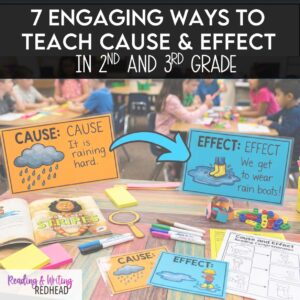
- Cause and Effect
- 5 W’s (Who, what, where, when and Why)
- Compare and Contrast
- Author’s Purpose
- Fiction
- Nonfiction
- Prefixes/suffixes
- Illustrations
It is also aligned to the CCSS and focuses on standards for Reading (both literature and informational text), which are the building blocks your students need for improving their reading comprehension skills! PLUS it includes a bonus FREE section on prefixes and suffixes.
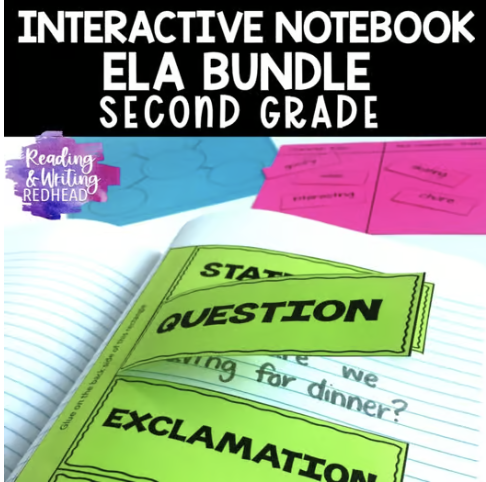
Both interactive notebooks include flip flaps books, accordion books, brainstorms, cut and glues, and many more types of pages and activities .
Click on the image below to check it out – by the way, you save 20% when getting the bundle vs. each resource separately.
Are there Teacher Tips?
Yes, both notebooks offer 2- 3 pages of teacher tips whether you are just getting started and need to know the basics or just would like some reminders on how to implement them with students.
Where to Find Notebooks
Try stores like Target, Big Lots or even Amazon. I found some at Wal-Mart for just 15 cents each during back-to-school sales. It’s a cost-effective way to get started! You can use standard one subject notebooks or composition books (which I prefer with second graders)
Ready to Try a Free Sample?
Want to see for yourself? Click here to get a short free sample featuring an opinion writing prompt!
Prefer the whole kit and kaboodle? Click here or on the image below:
If you enjoyed this blog post, you might also want to check out:
- Transform Phonics Learning with Fun Word Work Centers
- Powerful Ways to Elevate Your Reading Curriculum
- 5 Ways to Make Your Students into Proofreading Superheroes
- Start Strong: 5 Fun Phonics Activities for 2nd Graders
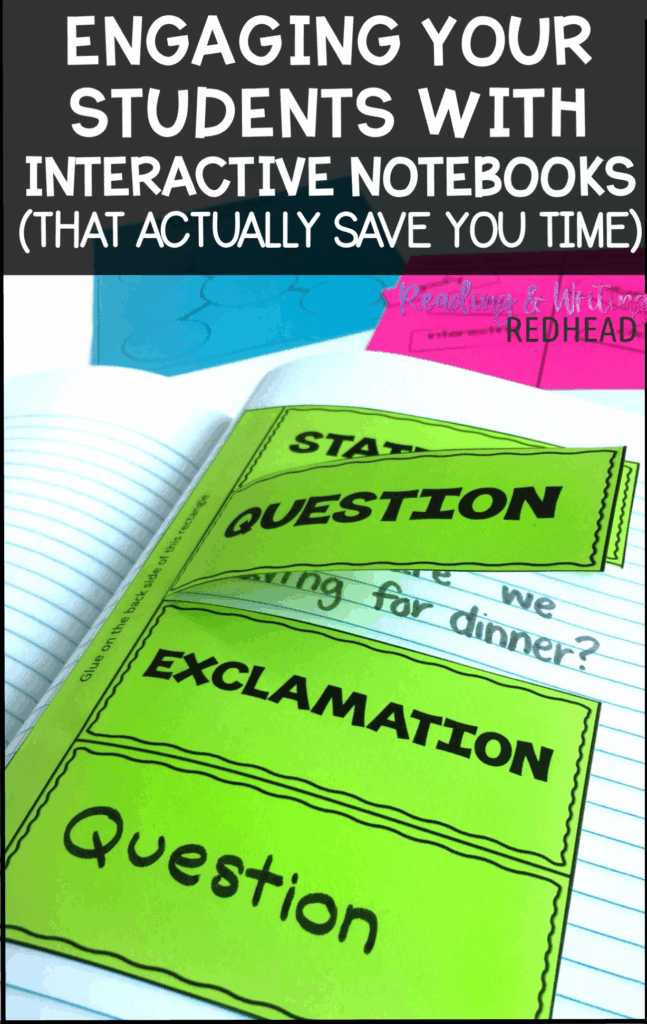
If you want to pin this post so you can read it again later, click below!
You might also be interested in these blog posts:
- 5 Ways to Help Students Check their Writing for Correct Capitalization and Punctuation
- 8 Ways to Use Pop Its to Engage Learners
- Back to School Writing Tips
- 5 Ways to get Your Students Excited for Writing
- Myths about Teaching Reading