Build Strong Readers All Year Long: The Power of Consistent Phonics and Phonemic Awareness Practice
As you gear up for back-to-school, your mind is probably buzzing about the year ahead. One thing we all know for sure is how crucial foundational reading skills are, especially phonics and phonemic awareness. But here’s the thing: it’s not just about teaching them once; it’s about building a year-long practice that truly helps those skills stick.
Think of it like building a strong house. You wouldn’t just lay the foundation and then walk away, right? You’d keep adding beams, walls, and a roof, bit by bit, until it’s sturdy and complete. Learning to read works the same way.
So, how can you ensure your students are getting that consistent practice all year long? Let’s dive into some strategies that you can use with your early elementary students.
Make It a Daily Non-Negotiable
The most powerful thing you can do is carve out dedicated time every single day for phonics and phonemic awareness. Whether it’s 10-15 minutes during your morning meeting, a specific block for small group instruction, or a dedicated center, consistency is key. Young brains thrive on routine!
I recommend ensuring you have at least 5 minutes (maybe 6-8 minutes) of phonemic awareness practice each day. This can be whole class, so it’s easy to squeeze in.
Some schools have a dedicated phonics block. Mine allocates 30-40 minutes for our Fundations lessons depending on the grade level. If you don’t have a specific phonics program, I’d still recommend 20 or more minutes a day.
Target Skills Systematically (But Be Flexible!)
Random practice won’t do the trick here. Follow a scope and sequence for phonics skills (like CVC words, digraphs, blends, long vowels, etc.) to ensure a logical progression. However, be ready to differentiate and revisit skills as needed. Some students might need more time on digraphs, while others are ready for blends.
If you don’t have a phonemic awareness program, you could follow the suggested progression of skills in my TPT resource below, or consider begging your principal to buy you a Heggerty manual. That’s what we use at my school.
Teacher-Led Small Groups are Still Key
This is where the magic happens! Teacher-led small groups allow you to provide targeted instruction, immediate feedback, and differentiate based on student needs.
This is also where you can model and guide students through new phonics and phonemic awareness activities or patterns. It will greatly help those who need extra support.
- Bonus Tip: Group students based on their current phonics and phonemic awareness needs. Even just two or three quick 10-minute small group sessions per day can make a BIG impact. Rotate through different groups to ensure everyone gets that focused attention.
Integrate Fun & Engagement (Task Cards to the Rescue!)
Consistent phonics and phonemic awareness practice doesn’t have to equal boring! Incorporate activities that are hands-on, interactive, and even a little game-like.
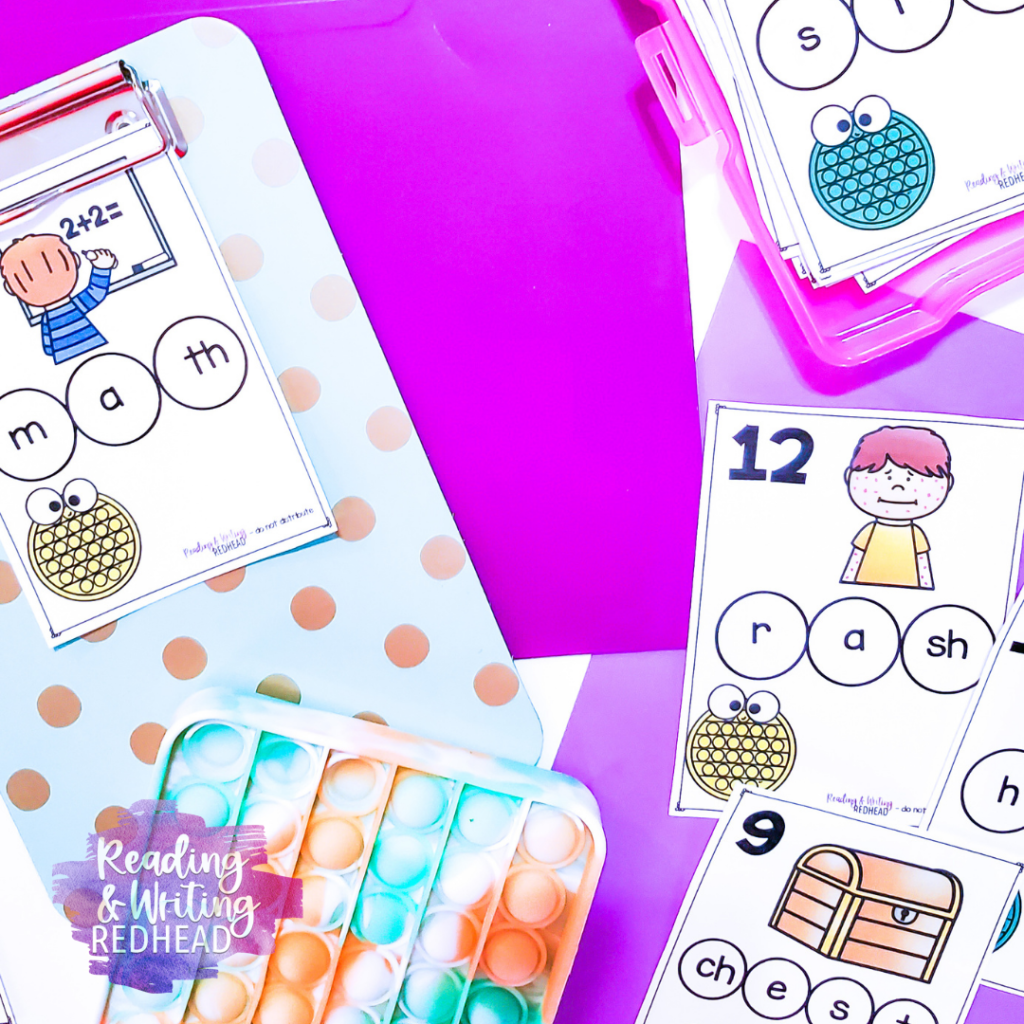
Task cards are fantastic for this because they’re visually engaging, they offer a variety of type of practice, and they’re easily differentiated for different skills and settings.
Need some suggestions? Try these Fidget Poppers task cards for all kinds of skills from CVC words, to silent e syllables and syllabication/phonemic awareness.
Need more? Try these…
- Mystery Word Riddles (grab the bundle or buy individual resources)
- 2nd Grade Blend and Read Task Cards
- 1st Grade Blend and Read Task Cards
- Magnetic Letters Activities Task Cards (again, there’s a bundle or you can get individual resources)
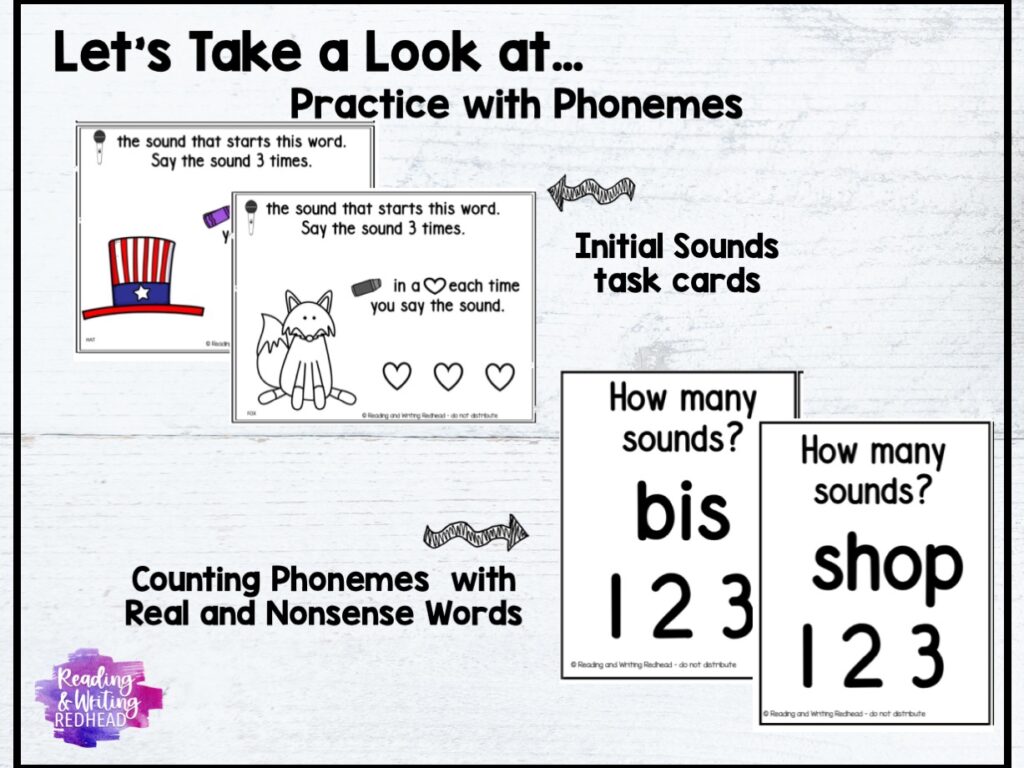
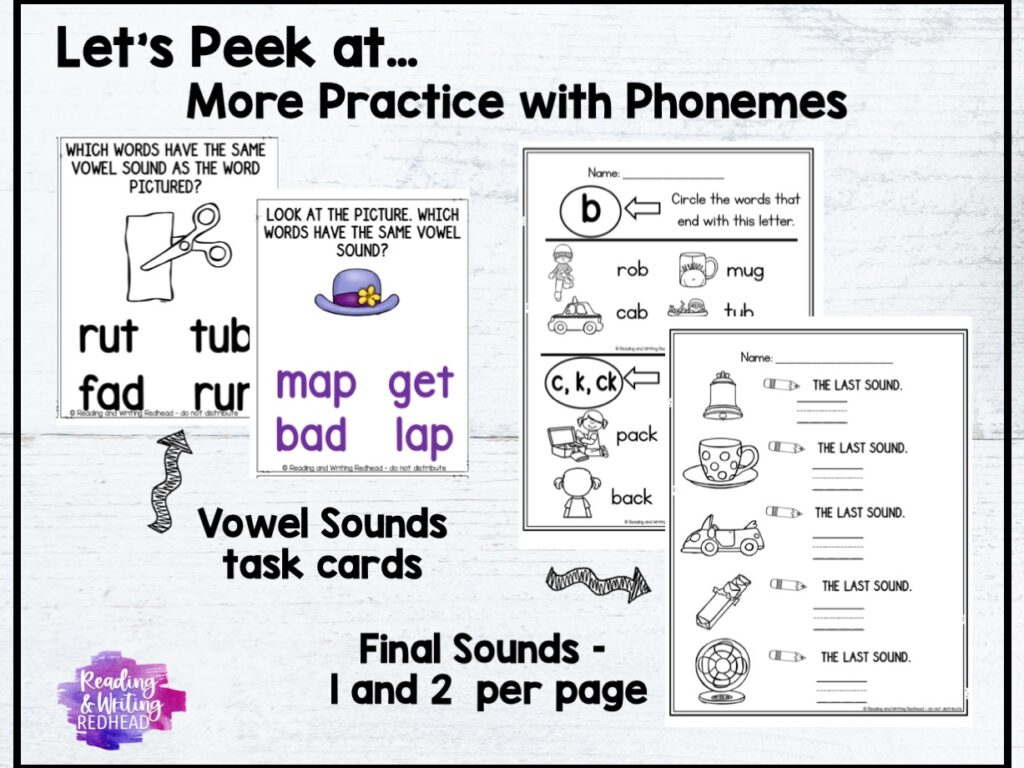
- 1st Grade Phonemic Awareness Task Cards (sound/phoneme practice)
Keep reading for more tips!
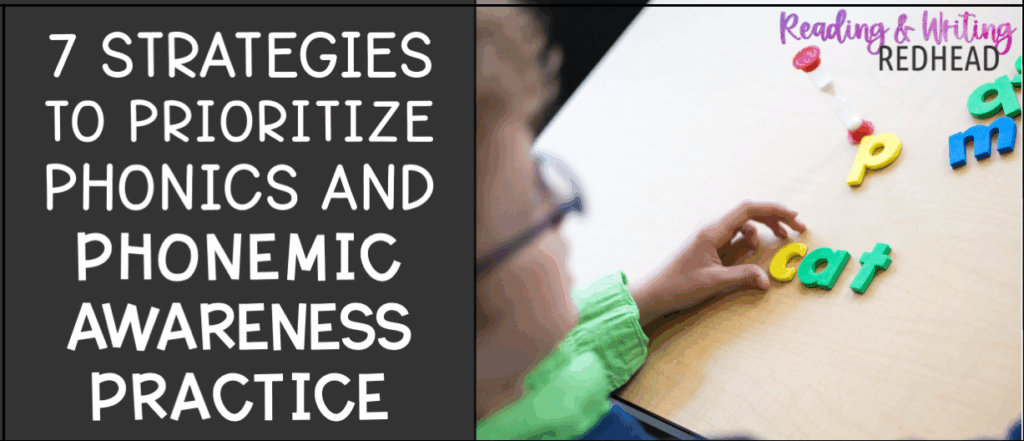
Connect Phonics to Reading (and Writing!)
The ultimate goal of phonics is to help students read and write! Always connect the sounds and patterns you’re teaching back to actual words, sentences, and books. This helps students see the purpose of the phonics skills they hav been working on.
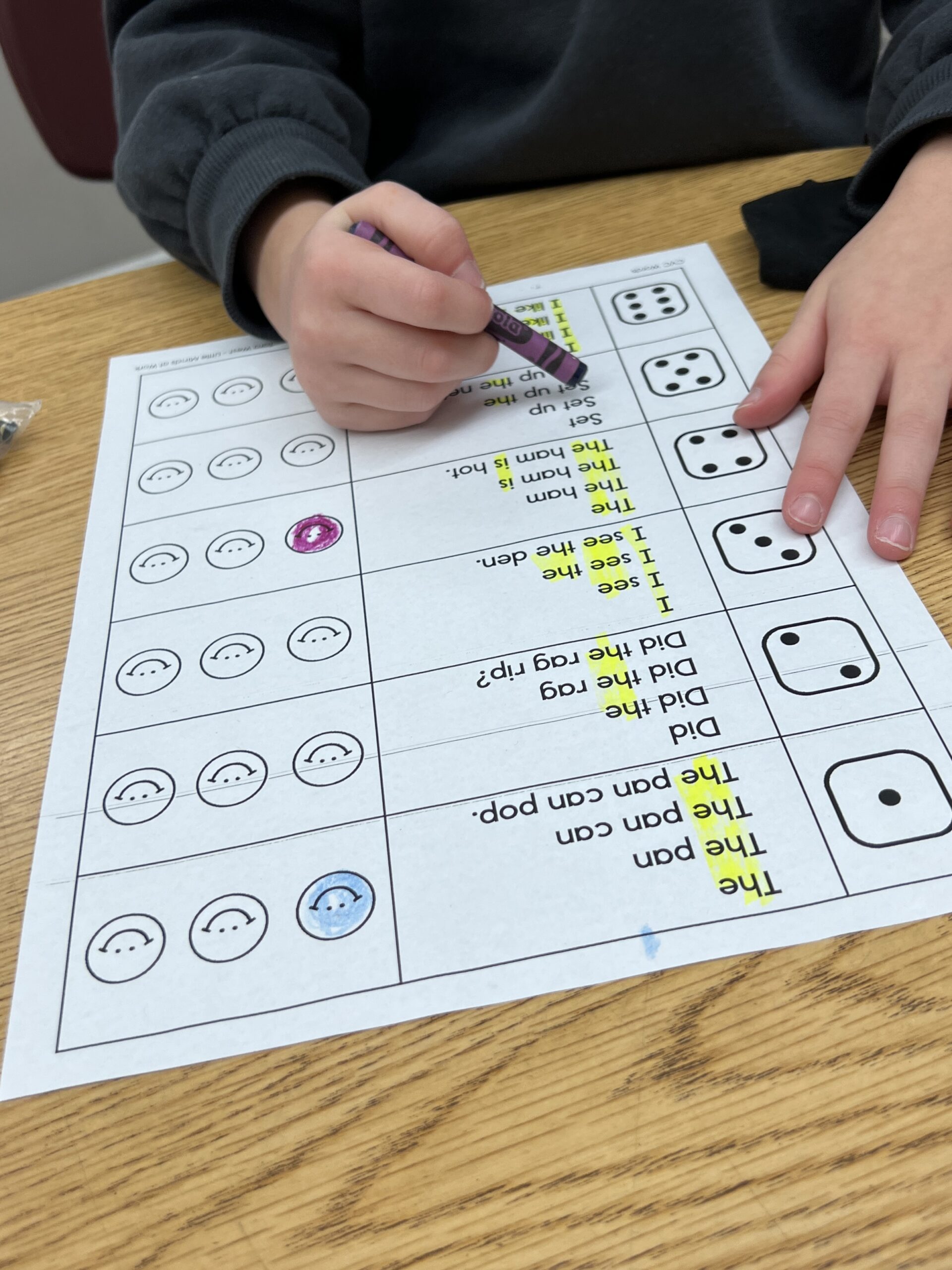
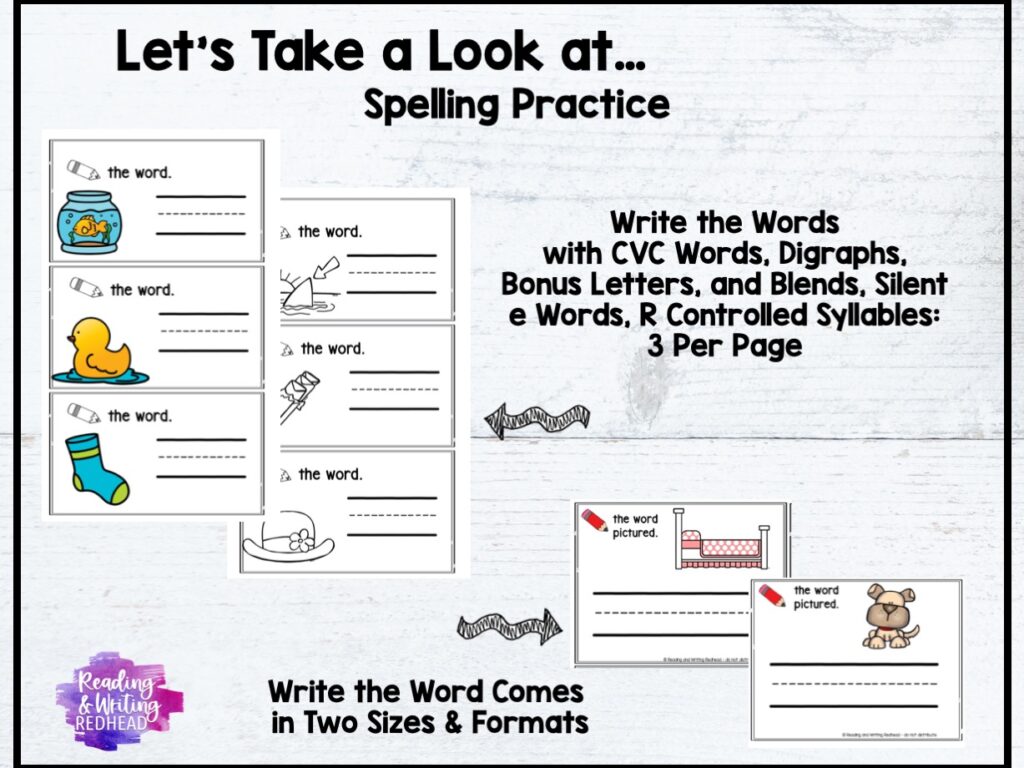
For phonics, try in every lesson to include skill practice, word or sentence reading (in any way – on the easel, in a book, on a pocket chart) and some writing (even if it’s just one word or phrase that connects with the skills you’re working on).
Regular Assessment is Beneficial
Assessment DOES NOT need to be all formal!
Some ideas:
- Take a clipboard and sticky notes. Write 5 students’ names and the date on the sticky notes. Take a few notes on what you observe when they are working on phonics skills or phonemic awareness. Take notes for 5 different students the next day. Then, maybe once a week, transfer those notes into a spreadsheet or grade book.
- Try an informal phonemic awareness like this one (it’s free). This one is a bit lengthy and needs to be done 1:1 so I’d suggest using this with students with whom you have concerns.
- Use a phonemic awareness checklist (find for free online) – I found this one which you can type up for free.
- Try phonics exit tickets (again, you can find plenty online).
Ready to Go Activities from Teachers Pay Teachers
Of course, it would make your life easier if you had ready-to-use activities and resources from Teachers Pay Teachers! This resource makes teaching phonics and phonemic awareness easy for you and it will be fun and engaging for your students.
You can get a bundle of phonemic awareness activities with task cards and lesson plans AND a TON of first grade phonics activities (485 pages!). Getting them together in a bundle saves you 45%. Check it out by clicking the cover image below!
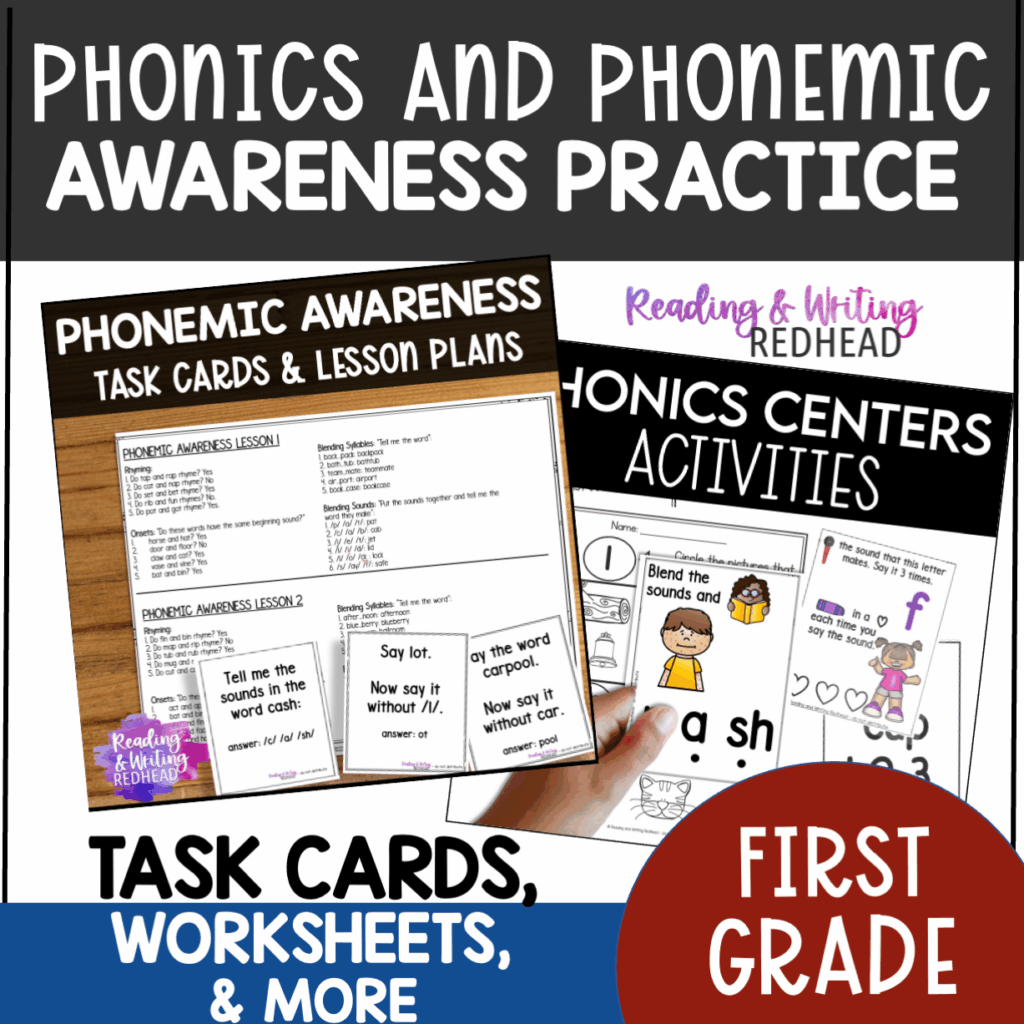
BUT if you want to look at each activity separately, lets check out the Phonemic Awareness Task Cards and Lesson Plans!
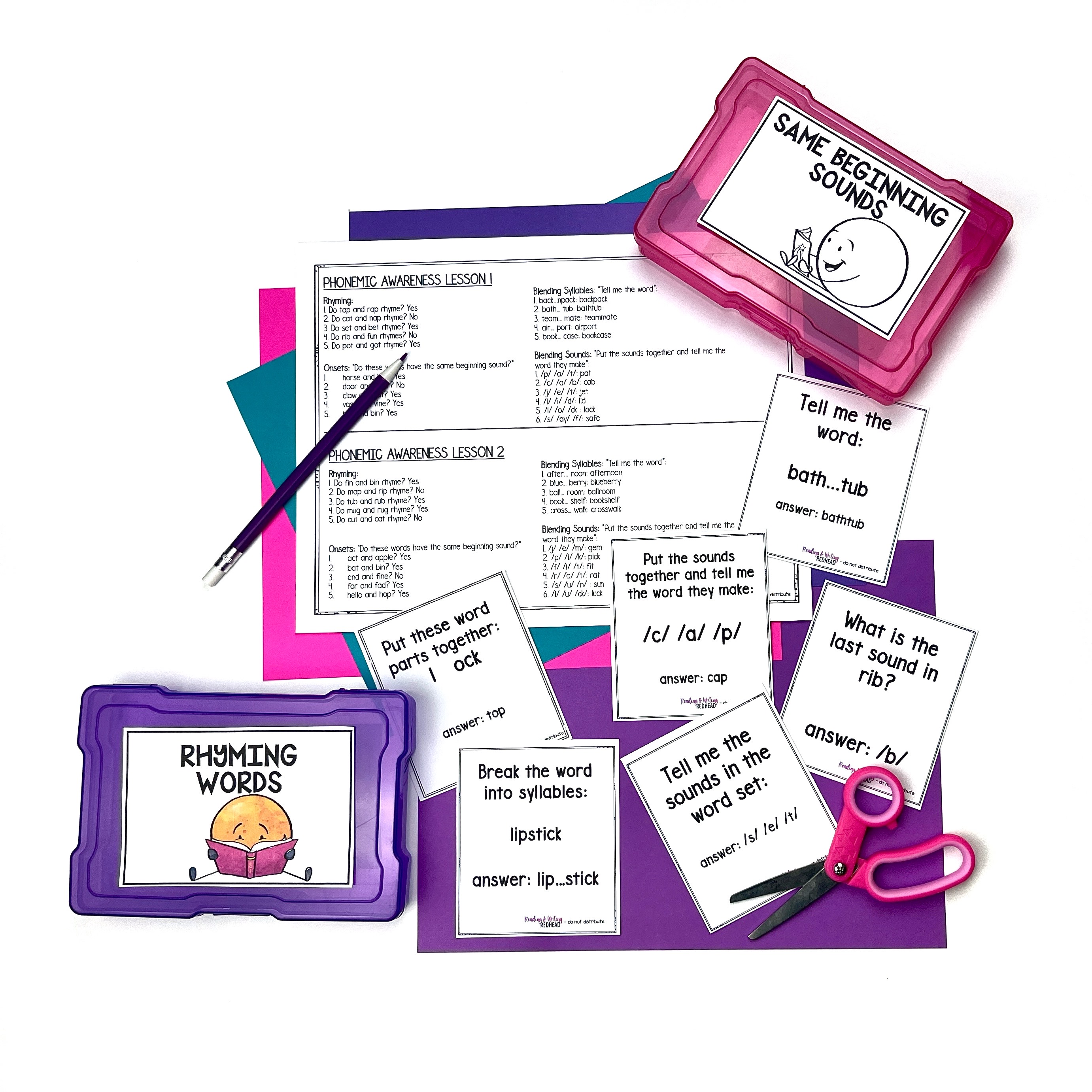
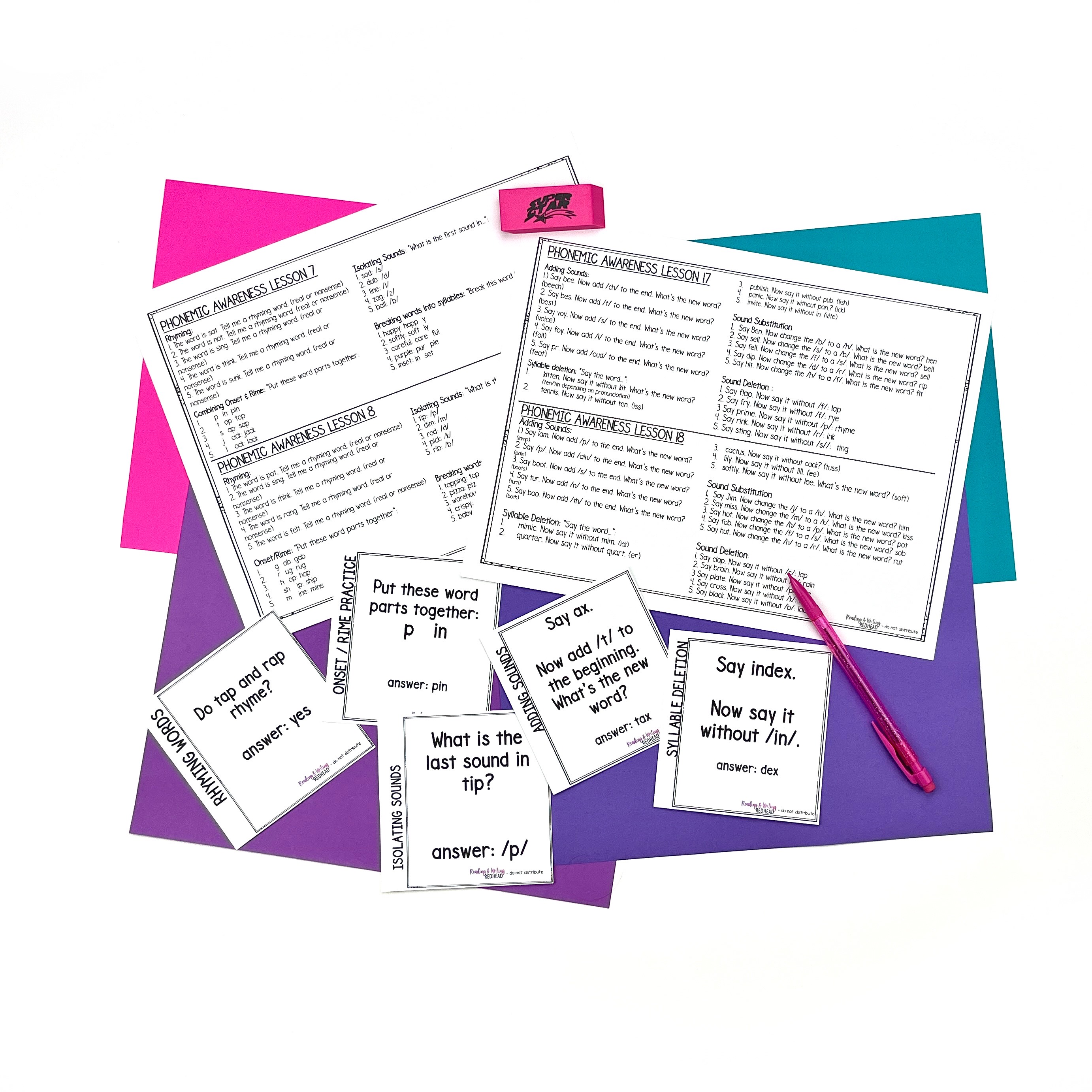
You can take a look at my new teacher led Phonemic Awareness activities! With these teacher lesson plans and task cards, you can have everything you need at your fingertips. There are 30-36 task cards for each skills (80 pages or so) plus 20 lesson plans!

Check out the 1st Grade Phonics Centers Resources!
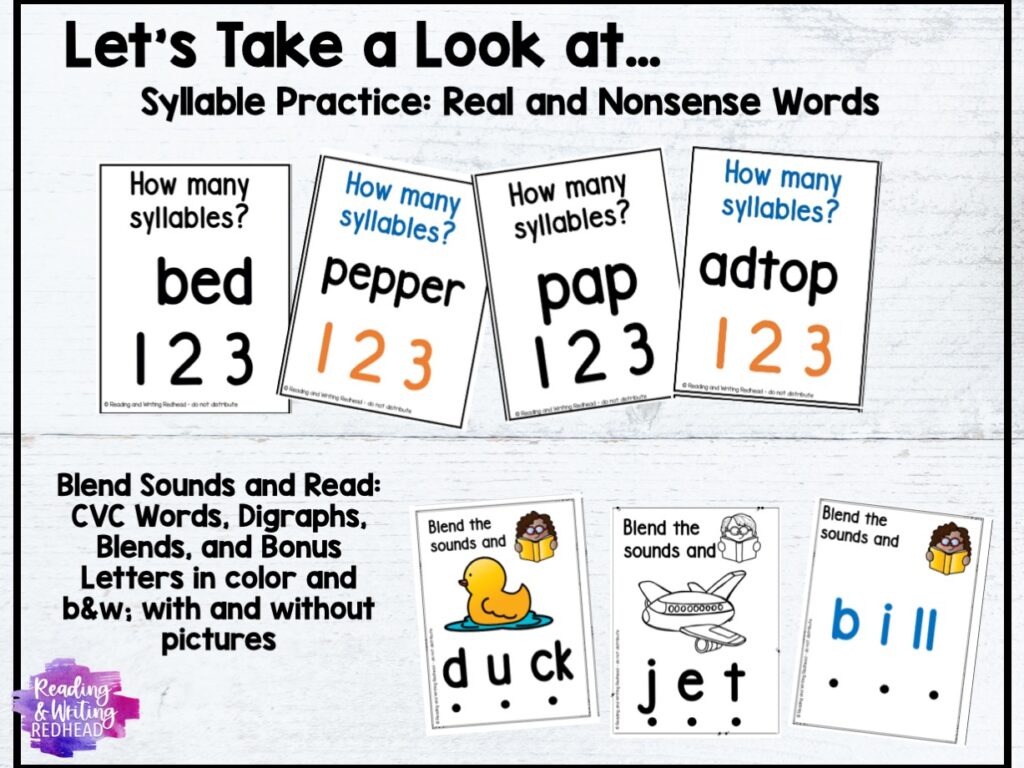
What should you know about the 1st grade phonics centers resources? To make sure students are learning in the best way they can, the activities are aligned with the Science of Reading. The activities can be easily used at the teacher table or for engaging small group centers. Some of them can be also done independently!
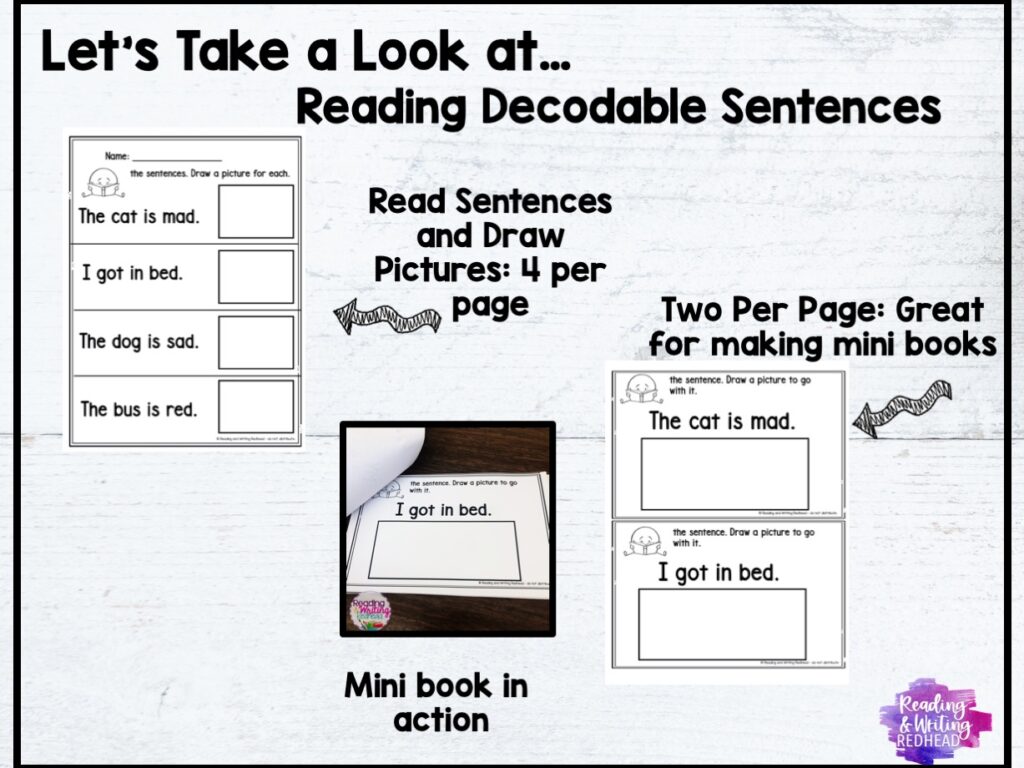
The resources include a wealth of task cards, worksheets, and mini-booklets covering crucial skills from letter sounds to CVC words, blends, and digraphs. Differentiated activities ensure every student receives targeted support, from intervention to enrichment.
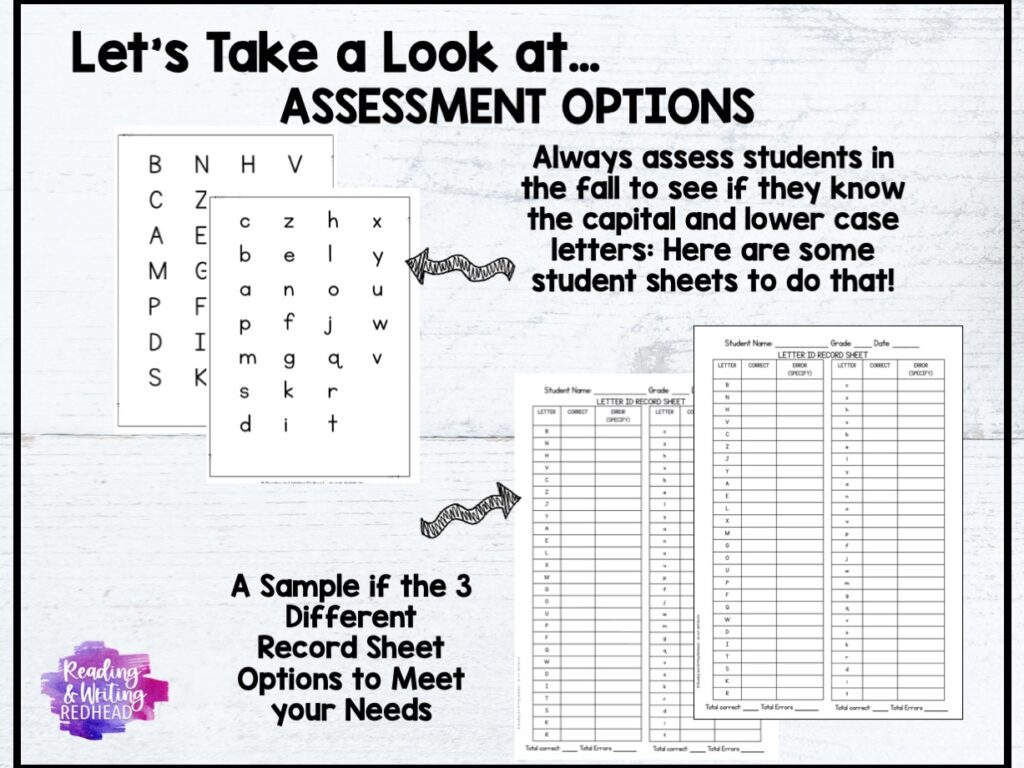
Check out these sneak peeks, from the preview found over on TPT.
What are the Key Benefits of This Resource?
- Science of Reading Aligned: Built on the principals of the science of reading.
- Comprehensive Skill Coverage: Addresses a wide range of key 1st-grade phonics skills, from initial sounds to CVC words, blends, digraphs, and more.
- Versatile for the Classroom: Use it for whole group lessons, small group instruction at the teacher table, or independent phonics centers.
- Engaging & Interactive: Includes hands-on activities, task cards and playful worksheets that make learning phonics fun and dynamic.
- Differentiated Instruction Made Easy: Offers activities for various learning levels, supporting intervention, on-level practice, and enrichment.
- Promotes Orthographic Mapping: Designed to help students build a strong connections between sounds and letters for decoding and encoding.
Imagine having all the materials you need for daily phonics and phonemic awareness instruction at your fingertips. Get a head start on the school year and ensure your students become confident, strong readers by establishing consistent practice with this powerful bundle.
Ready to make a difference in your students’ skills? Grab this resource and watch their skills soar!
Need a Kindergarten version?
Other blog posts you may want to check out:
- Essential Tools for Enriching your Reading Curriculum
- 6 Fun Phonics Review Ideas for the Beginning of 1st Grade
- Unlock and Master ELA Lessons with Engaging Interactive Notebooks
- Stress-Free Start: Engaging Activities for the 1st Week of School
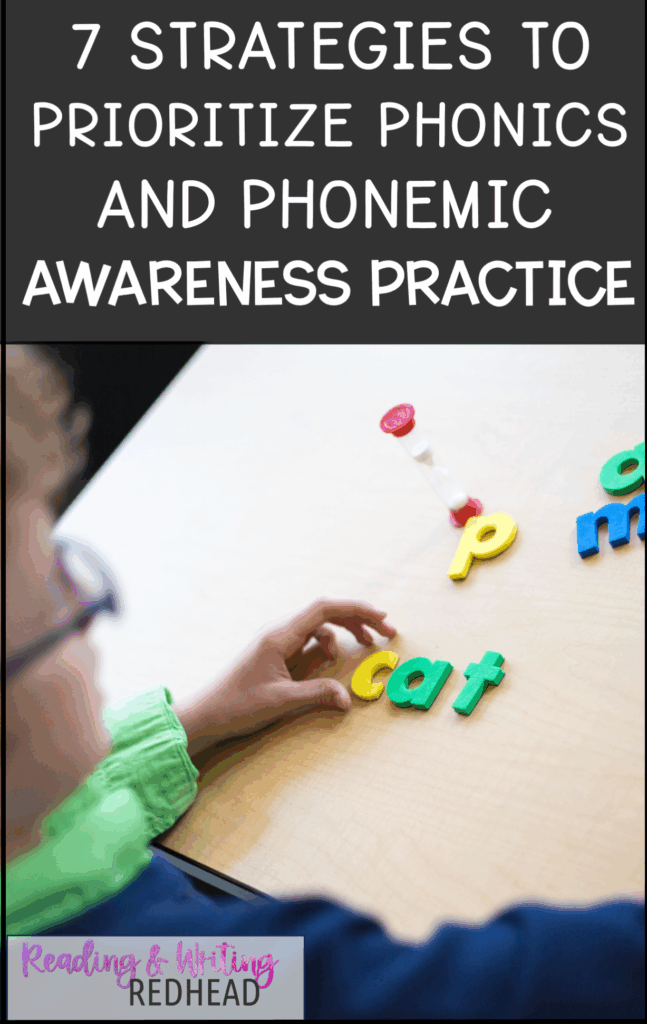
If you want to save this phonics and phonemic awareness blog post for later, pin this Pinterest ready image below!
Let me know if you have any other fun tips for teaching phonological awareness.